CHARTING CLIMATE SOLUTIONS
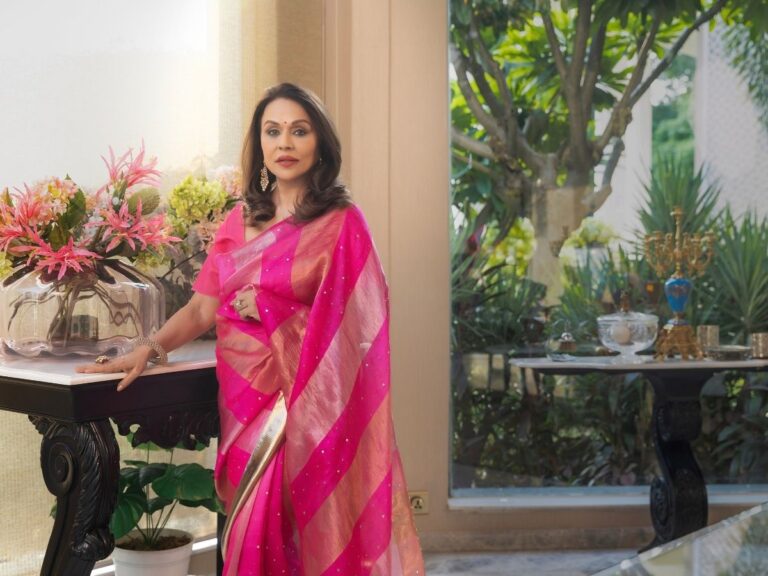
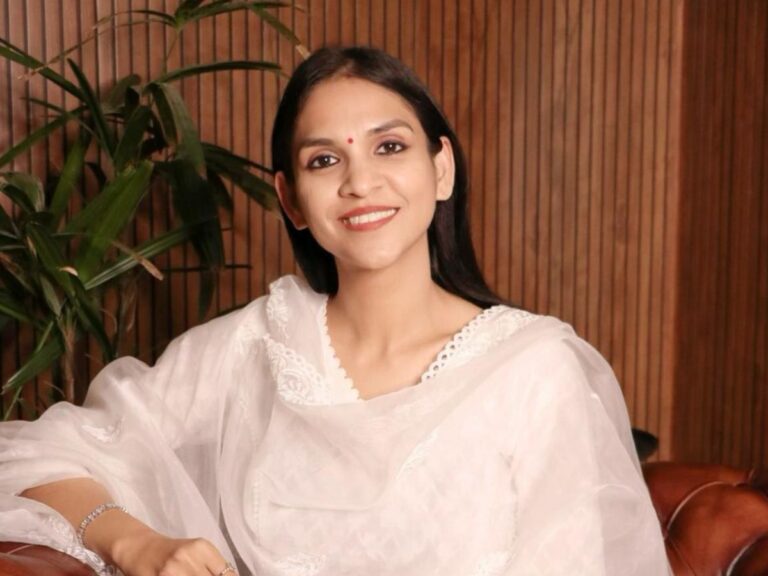
Working at the intersection of science, policy, and enterprise, Ambika Hiranandani
on why the dream of a greener future relies on commercialising science
Words by Alisha Uvais
Working at the intersection of science, policy, and enterprise, Ambika Hiranandani
on why the dream of a greener future relies on commercialising science
Words by Alisha Uvais
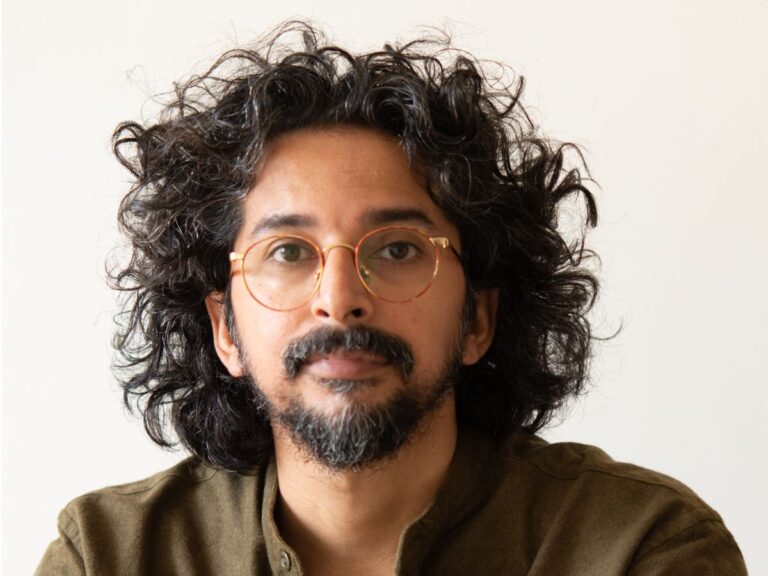
Between many worlds and challenging the drama and dialogues on climate crisis is the creative expression of the lens-based artist; his works embrace complexity, cultural symbolism and natural curiosity, expanding viewer perspectives
Words by Sonali Semwal
This eleven-year-old UN delegate is steadfastly advocating for causes closest to her generation’s heart — from child rights and cyber safety to sustainability, peace, and inclusive futures. Maxima Poonia speaks to MOSAIC about navigating the spaces between school, society, and global policy to make every child’s voice count
Interview by Voice of Mosaic
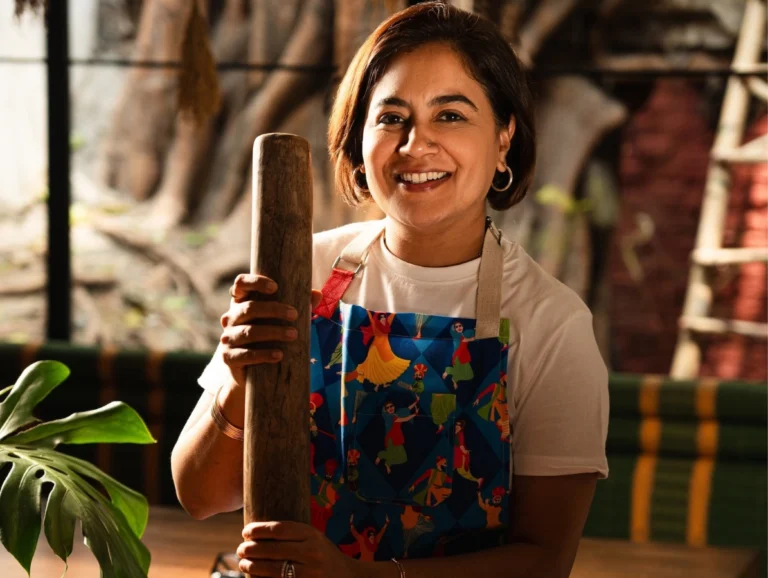
Riddhi Deorah, founder of Easy Parenting Hub, one of India’s largest digital schools
for mothers, brings together thousands of mothers in a quest to help them find themselves again
Words by Alisha Uvais
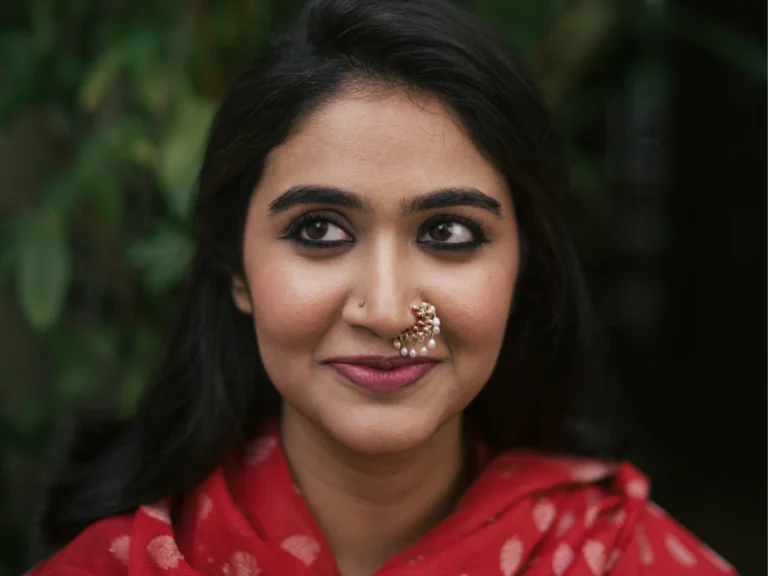
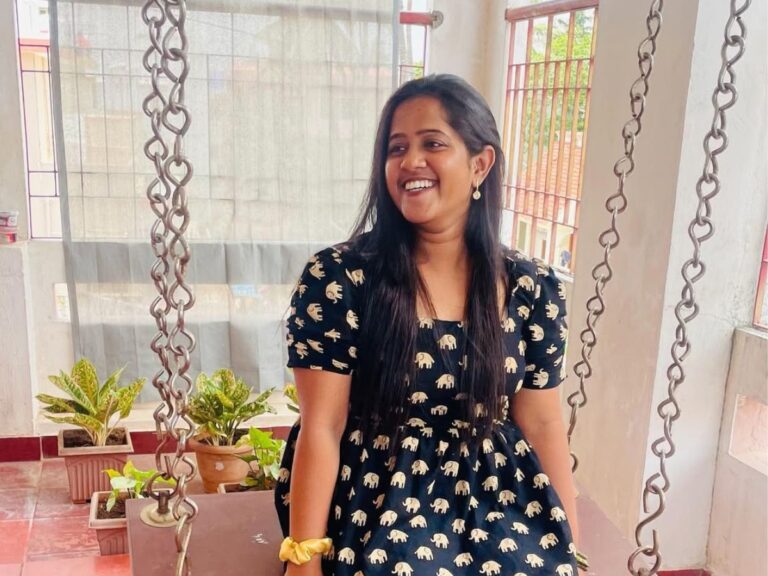
In the India we live in, people like Niveda Ravikumar have embraced
entrepreneurship as a creative and cerebral path that impacts society for the good.
The co-founder of Bliss Natural, a sustainable, eco-friendly brand selling women's
hygiene products explains how
Words by Sonali Semwal
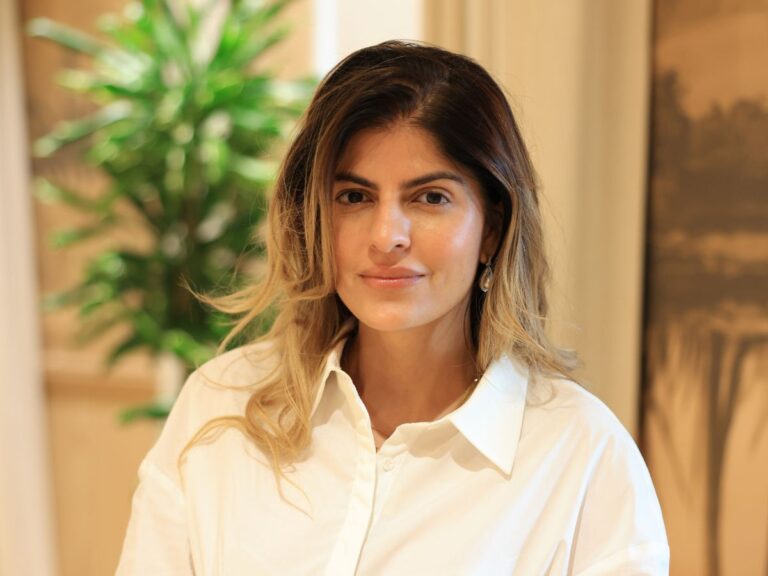
From the rise of adolescent cosmetic obsession to the persistent myth of natural kitchen remedies, Dr. Aanchal Panth, a leading dermatologist deconstructs the biological realities of South Asian skin
Interview by SONALI SEMWAL
Apurva Kothari, founder of No Nasties, reflects on the purpose of shaping an enduring brand, the values driving industry growth, and the future of fashion leadership
Words by SONALI Semwal
COVER STORY
In a world where contamination clouds our view of nature’s bounty, Krishna McKenzie envisioned a brighter future for India. He saw beauty in its culture and the abundance of fruits and vegetables. Driven by sustainability, he sought to showcase the purity of these resources and highlight conscious consumption. Through his efforts, he aimed to deepen our understanding of sustainable food systems and inspire others to value nature's gifts and support greener practices.
The Millet Man of India
Dr. Benny Kuriakose, one of India’s foremost architects and conservationists, began his career in 1984 under the tutelage of the legendary Laurie Baker, who instilled in him a philosophy of simplicity, cost-effectiveness, and sensitivity to context. He later pursued an MA in Conservation Studies at the University of York, UK, on the prestigious Charles Wallace India Trust Award. On his return, he pioneered cost-effective projects in Kerala and soon after the 1994 Latur earthquake, was commissioned by Malayala Manorama to design the rebuilding of Banegaon village, a landmark in community-driven rehabilitation.
Benny is renowned for his public building projects and the transplantation of traditional structures at the Kerala Section of Dakshinachitra Craft Village, Chennai. His recent architectural works include the Ananthya Resort, the tsunami-affected villages of Chinnangudi and Tarangambadi, and the Harishree Vidyalaya School. His conservation projects include the development plans for Muziris and Thalassery Heritage Sites, and the restoration of heritage landmarks such as Paravur Synagogue, Paliam Dutch Palace, Cheraman Masjid, and Gable Bungalow. He has also executed adaptive reuse projects like converting heritage structures into hospitality spaces at Springdale Heritage (Vandiperiyar) and Club Mahindra (Ooty).
Author of Conserving Timber Structures in India and co-editor of Guidelines for the Preparation of a Heritage Management Plan, Dr. Kuriakose has worked as a consultant with UNDP, various State Governments, and international organizations. He has also taught as visiting faculty at IITs, IIMs, the School of Planning and Architecture (Delhi), and several other institutions—guiding the next generation of architects towards sustainable practice.