

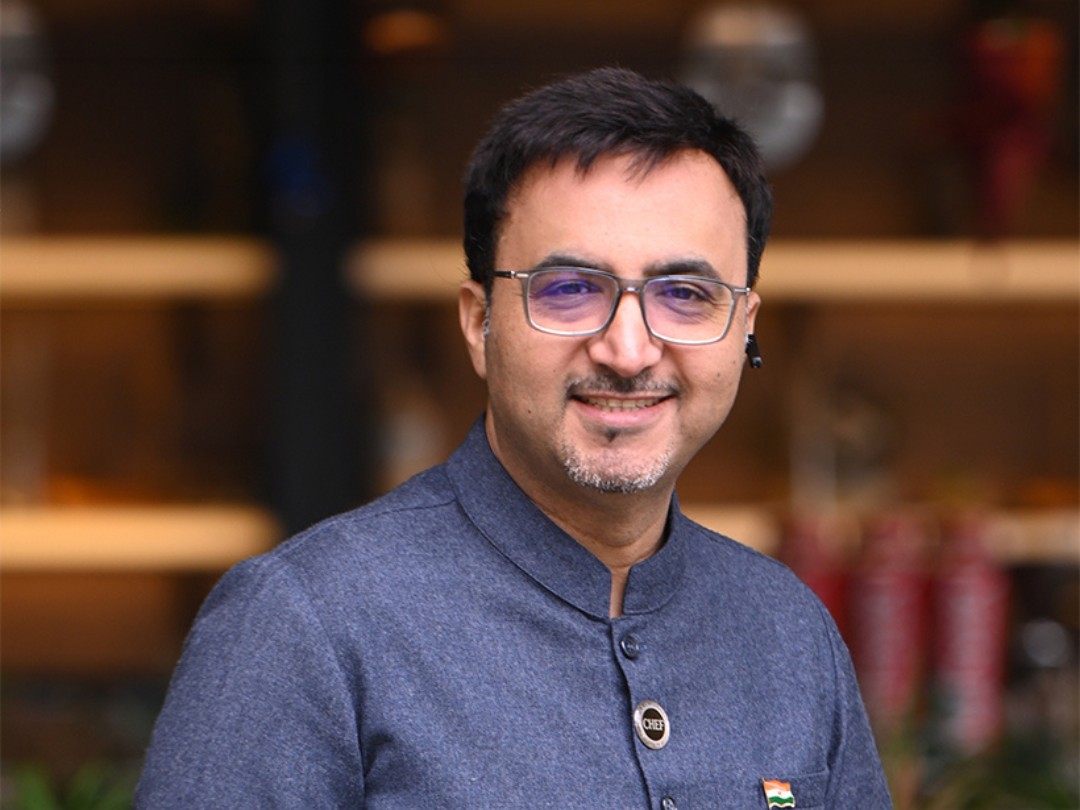
For years, he built a celebrated career in the demanding world of hospitality, rising through the ranks and making his mark in some of India’s most recognised kitchens. However, a turning point arrived in 2010, when the pressures of his profession and years of unhealthy eating led to a diagnosis of severe diabetes. Faced with a stark choice, he decided to heal himself by returning to the roots of Indian food traditions—eschewing medication for a radical change in diet and lifestyle. This deeply personal struggle became the catalyst for his millet revolution.
The years that followed saw Chef Vikas immerse himself in the world of traditional grains. Through experimentation, research, and an ever-expanding network of farmers and food artisans, he began to unlock the latent potential of millets—ancient crops long neglected in favour of wheat and rice. What began as a personal project evolved into a movement when friends and colleagues experienced significant health improvements by adopting his millet-based diet. Chef Vikas found his calling: to restore millets to their rightful place at the Indian table, and to do so in a way that honours both heritage and innovation.
Today, Chef Vikas Chawla is not just an ambassador for millets but a true change-maker. His work bridges the worlds of gastronomy, sustainability, and social responsibility by creating dishes that are both innovative and environmentally friendly, and by sourcing ingredients from small, sustainable farms. He sources directly from small farmers, champions regenerative agriculture, and crafts dishes that marry tradition with creative flair. For thousands, he embodies hope—a reminder that the choices we make in our kitchens can ripple outward, nourishing communities and ecosystems alike. His journey inspires not only chefs but anyone seeking a more conscious, connected way of living.
Q&A session with Chef Vikas Chawla
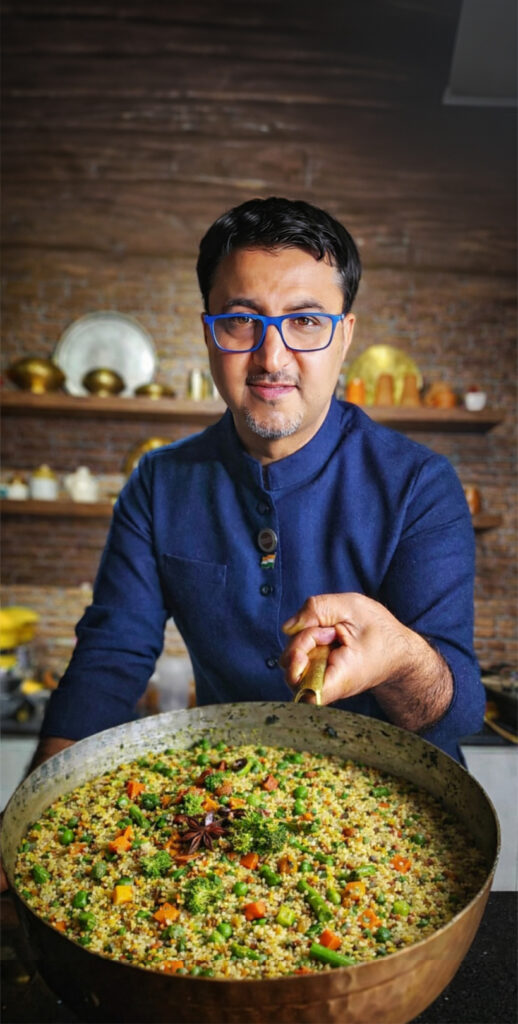
MOSAIC: What sparked your passion for millets, earning you the title ‘Millet Chef of India’? How has this journey redefined sustainable culinary practices in the country?
Chef Vikas: I have been working in this industry for the last three decades. Around 2010, during my final job before starting my consultancy, I developed very high diabetes due to the nature of my role at Haldiram’s as a General Manager. At that point I decided to heal myself through food and lifestyle changes, not medicines. By 2011 I was completely healthy again and my mission became very clear. My poor health was the result of choices like refined sugars, refined flours, wheat flour, and rice stripped of fibre. My journey focused aggressively on sustainability, especially millets, from 2016. As I experimented with millets and shared my findings, friends recovered from health issues too. That’s when my mission truly crystallised.
MOSAIC: With Western culture adopting Indian grains, do you think they have helped repopularise millets here, or is it mostly a homegrown revival?
Chef Vikas: I have many recipes and, for me, all of them are signature dishes. As a chef, I believe every dish should be made with such passion and emotion that it becomes a signature. I earned popularity for creations like millet paranthas with pumpkin and radish, millet brownies, cakes, and biscuits—dishes you won’t find elsewhere. Most recently, I developed millet sushi with 100% barnyard millet and launched a ragi millet pizza at my café in Bathinda. These innovations have certainly caught people’s attention, both in India and abroad, but the revival is, at heart, a homegrown movement driven by our own health and heritage needs.
MOSAIC: How do you source millets for your cooking, and what role do you play in supporting small farmers or regenerative millet farming to build resilient food systems?
Chef Vikas: I source raw millets in small batches from a farmer in Sangrur, Punjab, who grows a wide range for us. Alongside millets, I source organic jaggery from Narsinghpur, Madhya Pradesh—one of Asia’s best agricultural belts—and processed millet products from young entrepreneurs in Delhi and Surat. I also procure black wheat flour from a woman farmer in Abohar. My effort is to bring visibility and fair value to people who were never into marketing before meeting me. We are building a network of growers who use no pesticides or synthetic inputs. This collective effort benefits farmers, consumers, and the planet—a win for everyone involved.
MOSAIC: Can millets realistically replace rice and wheat in our diets, or is that overhyped given production limits?
Chef Vikas: Millets are climate-resilient; they need less water, grow in poor soils, and can tolerate extreme conditions. Unlike wheat and rice (C3 grasses), millets are C4 grasses. For a country facing groundwater depletion and climate uncertainty, millets are not alternatives—they are solutions. Shifting even one meal from rice to millets can reduce water stress and improve nutrition. Rice needs 6,000–8,000 litres of water per kg, while millets require only about 200 litres. Once you factor in environmental costs, wheat and rice are far costlier than they appear.
MOSAIC: What have we forgotten about millets as part of our heritage, and what traditions should we urgently bring back?
Chef Vikas: My work aligns with the UN Sustainable Development Goals, focusing on promoting sustainably grown foods like millets. Sustainability does not mean giving up on taste—food should remain enjoyable and culturally connected. The right food choices nourish both our bodies and the land. We must revive the traditions where millets were integral to our daily diets, as they were for our grandparents. This reconnection is vital for both health and heritage.
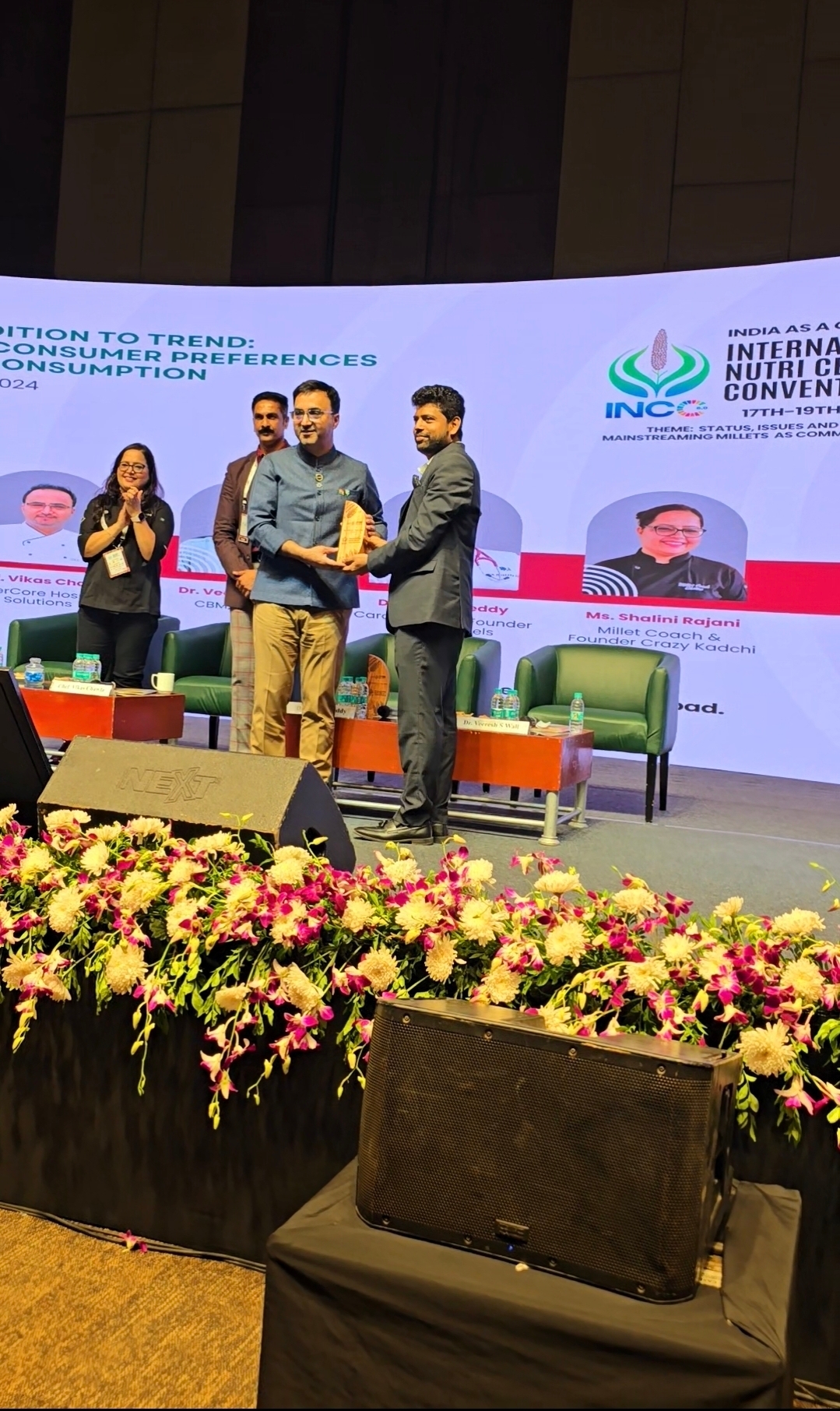
MOSAIC: What innovative techniques or flavour fusions do you use to make millets exciting and accessible, especially for urban audiences or global palates?
Chef Vikas: I’ve adapted nearly every major Indian cuisine to use millets—dosas, chaat, tandoori parathas, and even gluten-free desserts. For rural communities, I promote parathas like bajra pumpkin and jowar pumpkin, and pulao made with various millets. For urban audiences, I create millet-based salads, cookies, and puddings. Recent innovations include millet sushi and ragi thin-crust pizza. The goal is to make millets not just healthy, but also exciting and approachable for everyone.
MOSAIC: What specific strategies can be used to boost millet promotion effectively through recipes, policy, or community efforts?
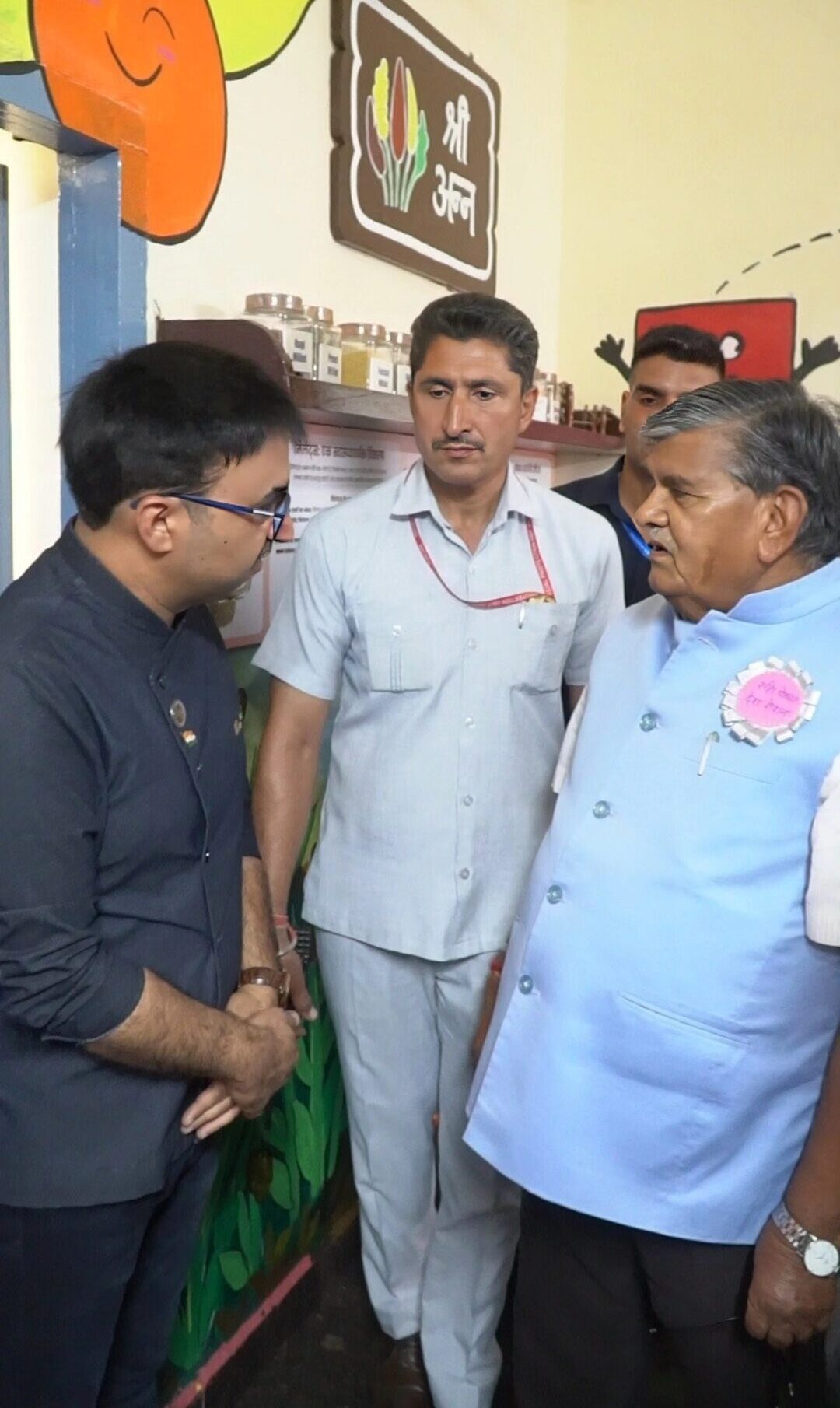
Chef Vikas: Promotion starts at home. By adopting these food habits ourselves, we inspire others—people notice the benefits and follow suit. Schools and colleges are critical for introducing millets to the next generation. I promote millets through talks at both small and large events, particularly in government Anganwadi meetings. The healthiest changes often begin in communities with less formal education; they are more open to change. Imagine a food system where soil, water, and air all benefit from our daily choices.
MOSAIC: Any quick tips for busy families to pass on millet heritage to the next generation while keeping it fun and tasty?
Chef Vikas: Simple tips make a big difference. Soak millet grains overnight before cooking for lighter, more digestible meals. If using ready-made flour, knead with hot water and let it rest. Once boiled, millets can be refrigerated and used for quick meals—add to milk, fruits, or nuts for a breakfast bowl, or toss with vegetables for pulao. Hot puddings with jaggery, coconut milk, and nuts take just minutes. Having boiled millets ready unlocks endless quick, nutritious options.
MOAIC: Looking to the future, what’s your bold vision for a ‘millet-rich sustainable India,’ and how can policymakers, chefs, and consumers contribute?
Chef Vikas: Sixty to seventy years ago, millets were a daily staple. The Green Revolution shifted us to wheat and rice at a great cost—soil depletion, water scarcity, and increased disease. Many chefs hesitate to promote millets, but I chose this path to heal myself and help others. Policymakers must support farmers as we transition. The claim that millets are too expensive is an excuse; tastes can change, and hundreds of healthy options exist. We must urgently replace at least one meal a day with millets to restore our health and environment.
MOSAIC: What’s one simple, actionable millet swap or tip you’d give our MOSAIC readers to foster everyday sustainability?
Chef Vikas: Replace just one rice- or wheat-based meal a day with a millet meal—khichdi, roti, or pulao. You don’t need fancy recipes. Soak the millet overnight, cook it like rice, and enjoy it as you would any other staple. This habit saves water, eases pressure on soil, and supports better digestion and health. Sustainability isn’t a trend—it’s an urgent need to protect our future. One meal a day is a small step for us, but a giant leap for the planet.
Conclusion:
Chef Vikas Chawla’s story is proof that a single person’s commitment can ignite a movement. Through his tireless advocacy and inventive cooking, he reminds us that eating well isn’t just about health—it’s about honouring our land, our farmers, and our heritage. As India moves towards a more sustainable future, his vision of a millet-rich table offers a delicious, hopeful way forward.
This article was written for the 5th edition of Mosaic Magazine. For more stories like these, stay tuned.