

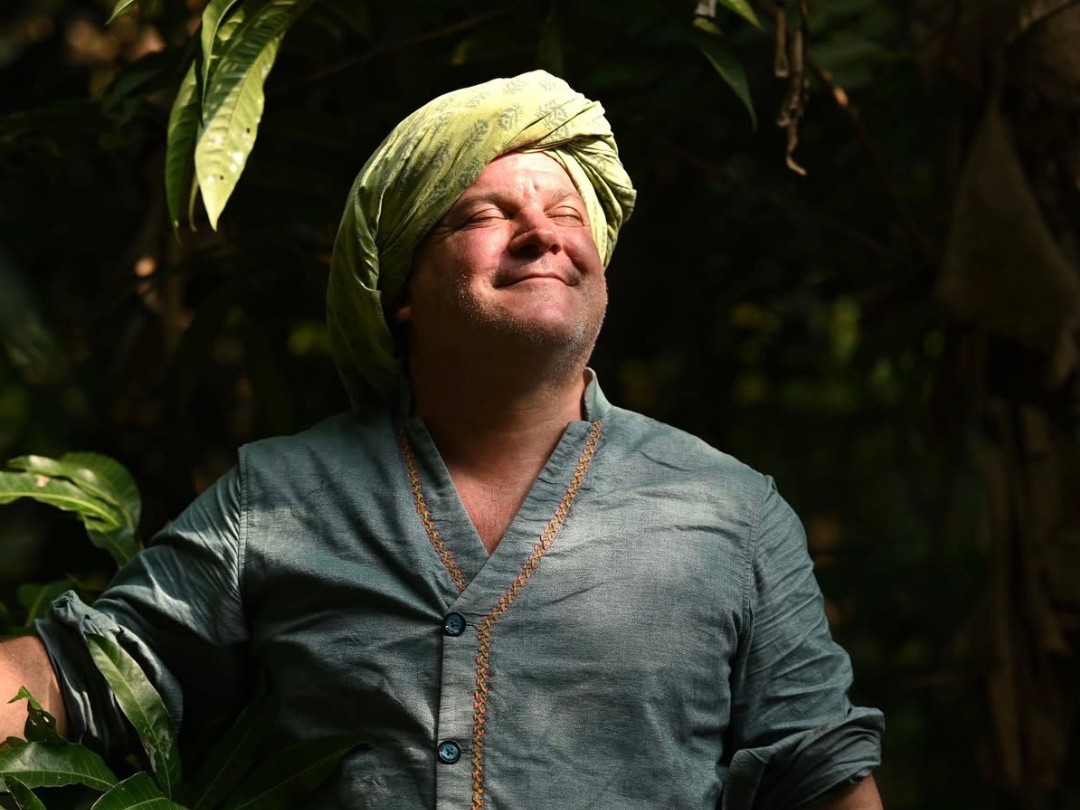
Thirty-three years after leaving genetic engineering labs for food forests teeming with 200+ edible plants, weeds, and easy growers like ‘sundakkai’ (turkey berry), he champions a radical return to ‘Bhoomidev’s’ generosity. This means farm-to-table salads bursting with ‘Ayurveda’s rasa’ and reclaiming grandmas’ forgotten ‘pookisham’ (treasures) against McDonald’s and monocrops. Mosaic’s 5th edition—“The Next Plate: Rooted in simplicity, heritage & health”—unveils change makers reweaving sustainable food systems. McKenzie’s story ignites a call to infuse school midday meals with local diversity. It honours ‘prakriti shakti’ and ‘sab brahma hai’ oneness, offering hope to heal a diabetes-riddled nation and teach the world how to live and breathe what nature truly offers.
At just 16 years old, McKenzie attended the Jiddu Krishnamurti school in England, a unique institution that nurtures creativity and fosters independent thinking. It was during this time that a multimillionaire benefactor, Mr Friedrich Grohe, who played a vital role in supporting the Auroville Foundation and Krishnamurti’s global initiatives, facilitated a monumental trip to India. This trip changed the course of McKenzie’s life. Accompanied by his peers, he travelled to various schools across India, immersing himself in the rich tapestry of Indian culture and educational philosophies.
Their journey took them to Banaras, Chennai, Bangalore, and Madanapalle. McKenzie spent three transformative weeks in Raichur working with a local NGO. He helped build smokeless ‘chulhas’ (stoves) in impoverished communities. This hands-on experience illuminated the stark differences between the developed and developing worlds. Returning to England, McKenzie experienced profound culture shock. He observed a monotony: uniform houses and people glued to the television. The joyous atmosphere of communal celebrations, once cherished, now feels hollow and commercialised. This increased his discontent with consumer culture. Disillusioned, McKenzie began to distance himself from what he called the “heavy” lifestyle of British society.
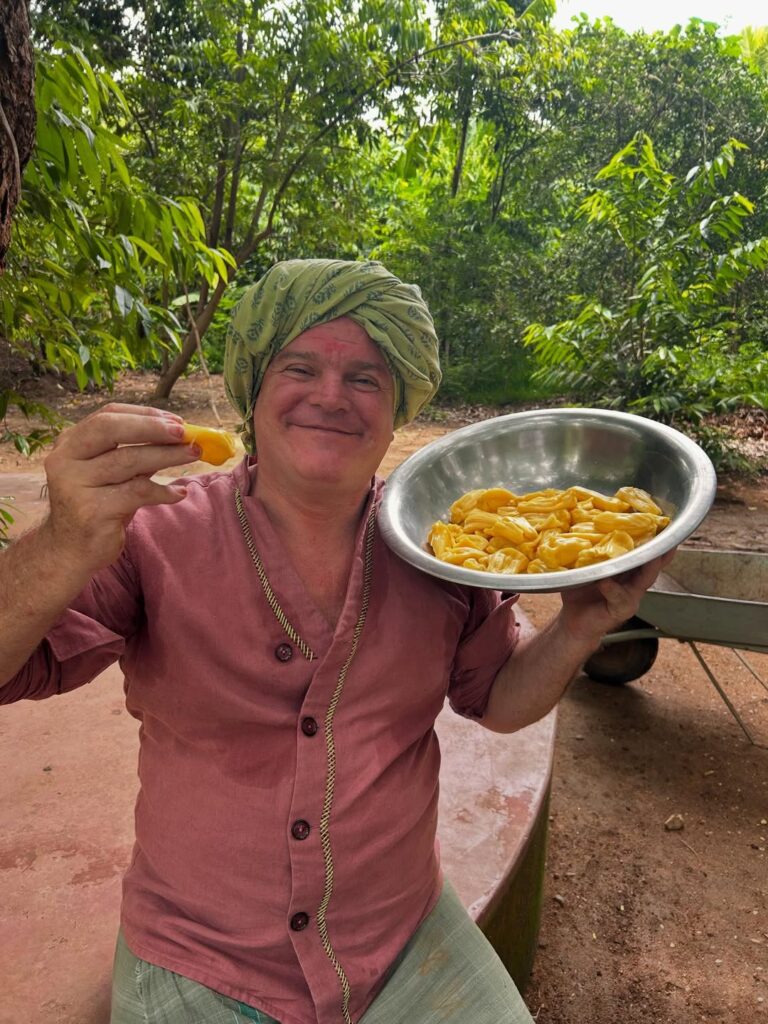
In contrast, the Jiddu Krishnamurti school provided a sanctuary. It was a space where he could explore creativity, engage in activities, and connect deeply with others. The school’s focus on personal growth, communal harmony, and critical inquiry enabled McKenzie to blossom in ways he never expected. He explored diverse pursuits, from jazz guitar and theatre to sustainable gardening. He even tried genetic engineering before choosing to nurture the earth, rather than follow a traditional academic path.
At 19, his journey took a new turn when he met Freddy, a dedicated gardener in Auroville. Guided by Freddy’s wisdom, McKenzie discovered the joy of growing food and connecting with the land. This experience sparked his vision for a life rooted in sustainability in India. The vision is tied to what the Tamil people call ‘Thala Vidhi’—or “head’s destiny.” Despite scepticism from others who found his ambitions odd for someone so young, McKenzie stayed resolute in his commitment.
We want our readers to see what we saw when we first learned about this Hero. We want you to see the world through his eyes. To deepen our understanding of his experiences and vision,
we asked a set of questions that explore the defining moments, challenges, and hopes that have shaped his path. Join us as we step into his story and consider how you, too, can advocate for local food diversity and sustainable practices. Let’s uncover what life has been like through his perspective—and take action together for a greener future.
MOSAIC: You’ve been here a long time. What changes have you witnessed as a farmer in local foods over three decades, and how has that influenced your work?
McKenzie: When I arrived 33 years ago, India had just entered a free-market economy. First came Coca-Cola, then cars like the Ambassador, Fiat, and Contessa, and eventually KFC and McDonald’s. Back then, village tomatoes sold for 2 rupees per kilo. Today, prices have soared due to inflation. In Auroville, I remember 17 or 18 women digging ponds. They knew every seed, leaf, and weed—what was good for the eyes, what to eat that day. They were deeply connected to the land. Though poor in money, they always had food. Over time, there’s been a shift from valuing food to valuing money. Traditional foods like fermented ragi or bajra porridge have been replaced with cheap white rice from ration cards. What used to be ‘rich man’s food’ is now ragi, considered ‘poor man’s food.’ Now, over 10% of the population has diabetes. The younger generation might know plant names from their grandmothers, but not from working in the fields. Industrialisation has eroded culture, just like in England, where people left farming for jobs in mobile shops.
Today, in many villages, young people often open mobile phone shops or seek similar jobs, especially if they lack formal education. The connection to the land, the soil, the seasons, and to food itself was once our core cultural identity. Nothing defines us more than this relationship. Without the ‘Anamaya Kosha’—the ‘food sheath’ described in the Upanishads, forming the basis of our body—there is no existence. Our connection to food, land, and tradition is fundamental to who we are.
There has been a growing disconnection from our roots, especially from food and ‘Bhoomidev’ (Mother Earth). Traditionally, the earliest forms of worship were deeply animistic. Nature itself was revered as divine. Mountains, trees, and rocks were seen as gods: a mountain called Shiva, a tree honoured as Mother Devi. In Tamil Nadu, this respect continues. People decorate sacred trees with ‘Haldi’ and ‘bindi’ and worship them as living deities. This tradition shows how our lives began in adoration of nature. But current global events show a troubling shift. For instance, the COP30 summit in Brazil constructed a road through the rainforest to accommodate the event, ironically undermining the environment in the name of climate action.
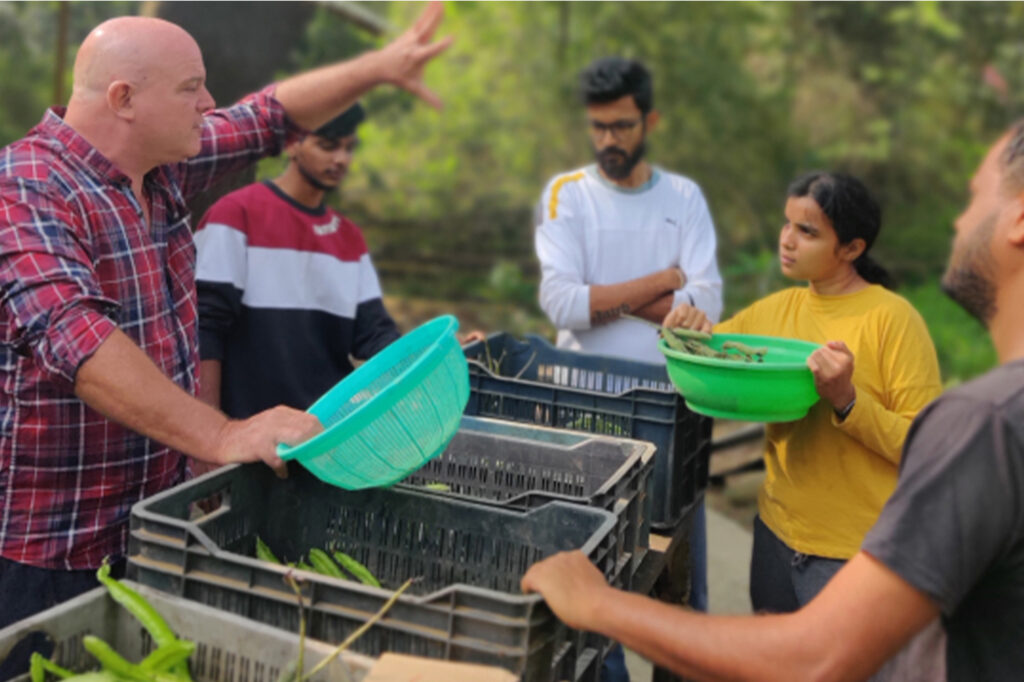
MOSAIC: ‘Solitude Farm is a living classroom’- describe its impact on local communities, students, and global visitors.
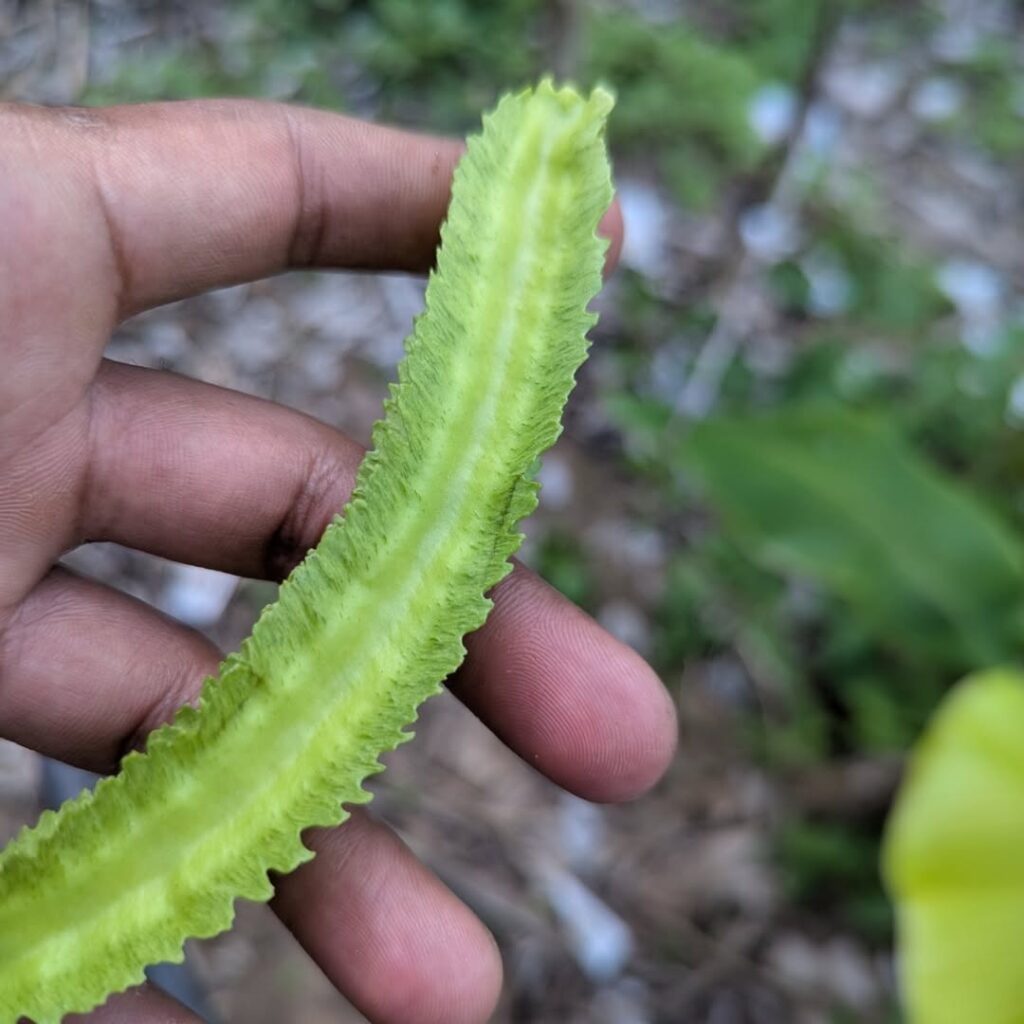
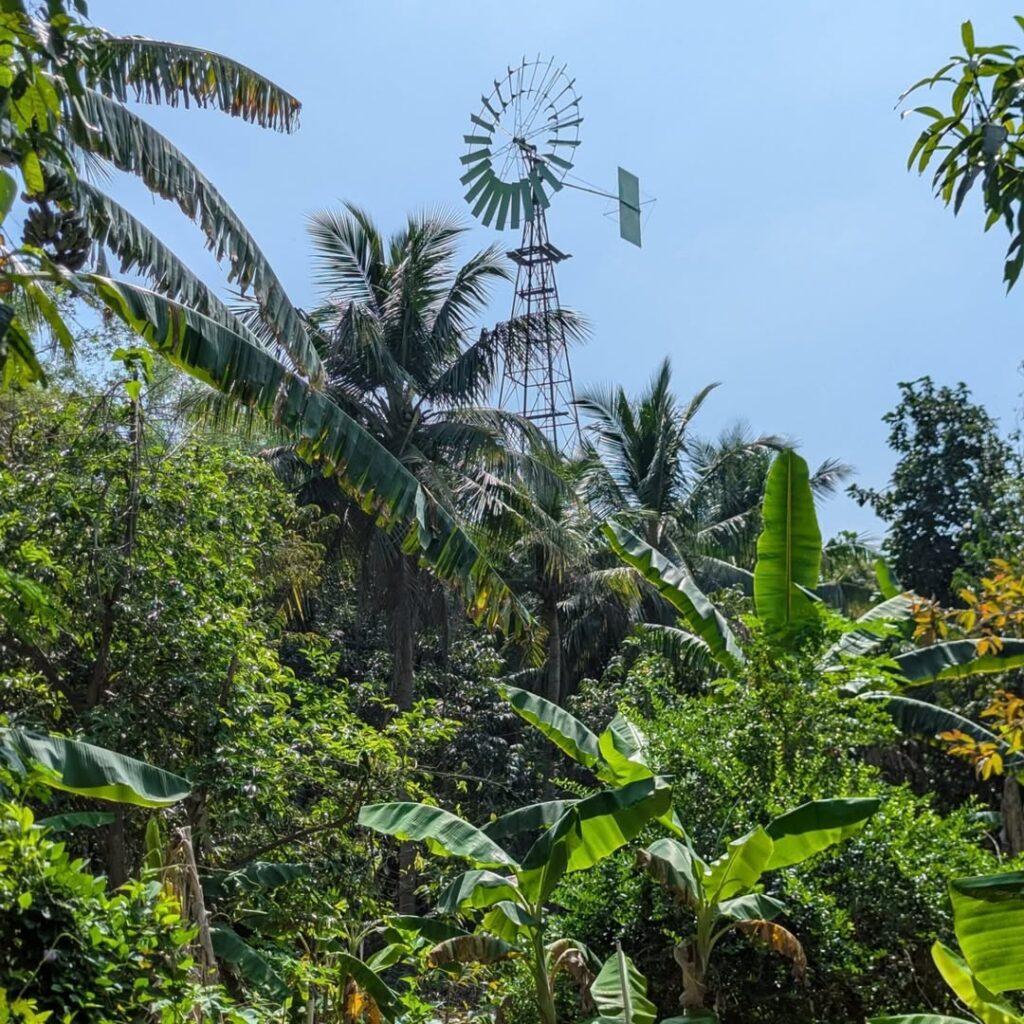
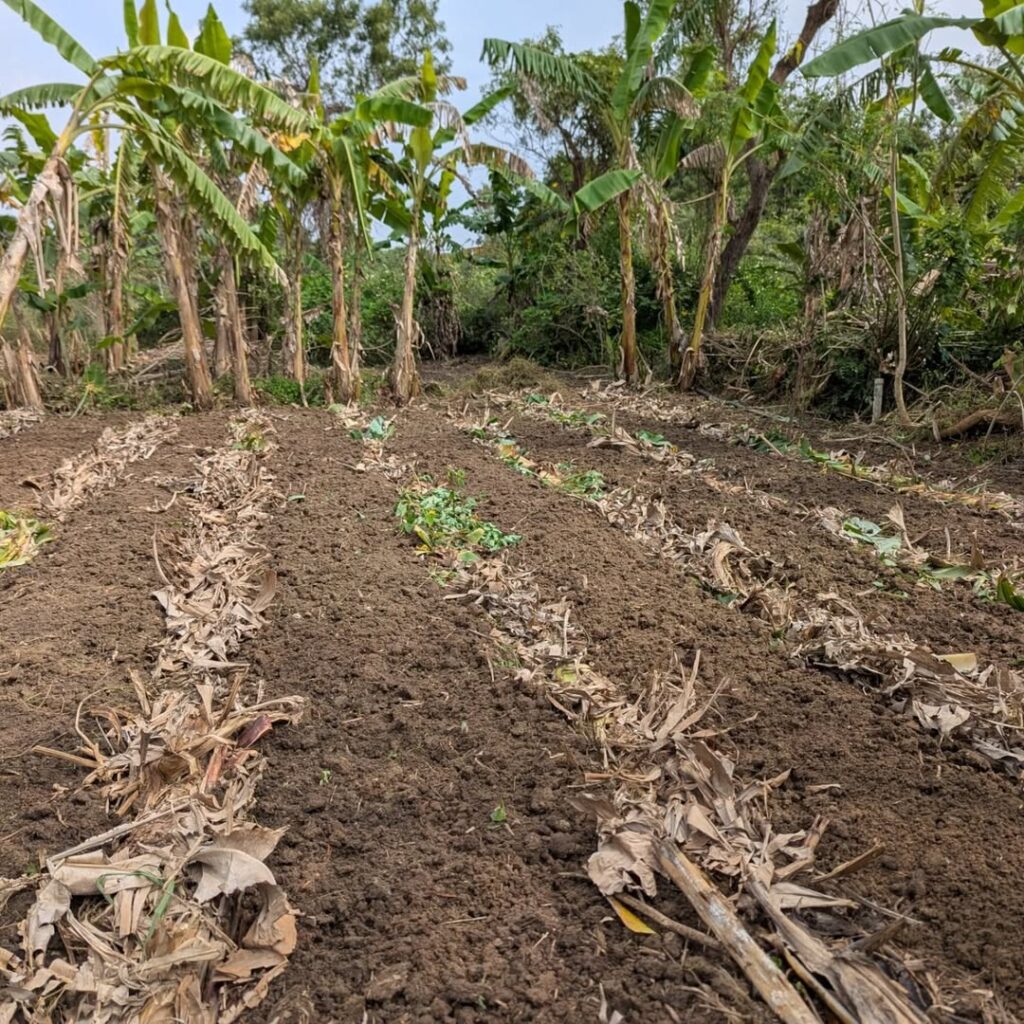
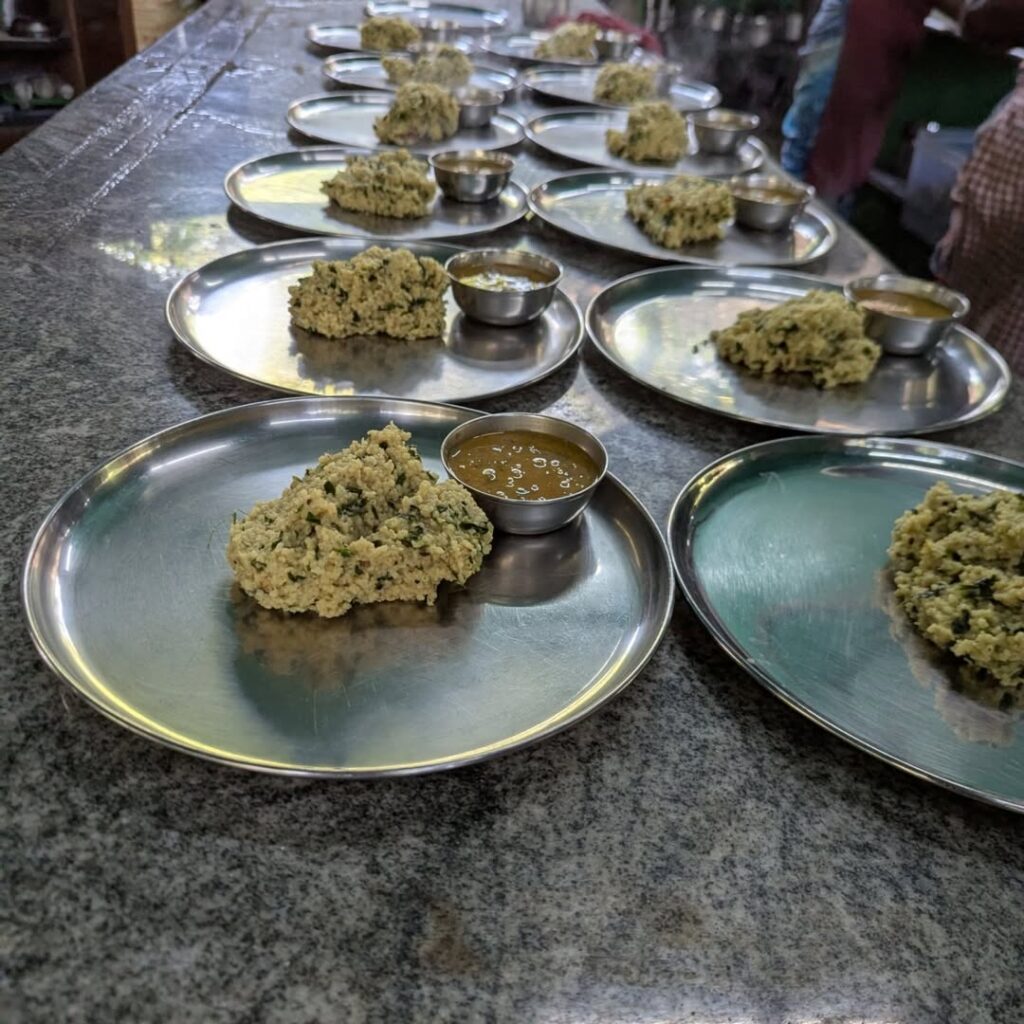
McKenzie: At Solitude, we have created a practical, grounded, daily solution to these issues. We built a non-interventional farm—a food forest—with over 200 edible plants. Ayurveda is not just a concept; it’s a way of life. That taste has a rasa, a quality—astringent, sweet, and bitter. All these come together, affect the ‘doshas’, influence our well-being, and shape society. Now, we need to focus on bringing these local foods into schools through the government’s midday meal scheme. The scheme is good, at least in Tamil Nadu, but more effort should go into letting farmers grow foods that need little care, like ‘jungly brinjal’, or ‘sundakai’ in Tamil. This plant grows naturally and was widely used before, but now it’s only found in one dish, ‘vattal kurumbu’. It helps stop diabetes, tackles parasites, and tastes great. You can use it in different ways.
Farmers need freedom to grow food outside the Western ideal of neat fields. Most weeds between crops are edible. We must deliver these foods to cooking centres and then to schools. We should celebrate our culture’s joy and diversity in all languages—Hindi, Oriya, Tamil—since diversity is key. Yet now, everyone wants Levi’s, Nike, Apple, and produce like cauliflower, potatoes, beetroot, and carrots, none of which grow here.
The local village’s impact has been limited; people focus on priorities like school fees and marriages, leaving little time for this philosophy. Yet visitors from cities like Chennai, Bangalore, Hyderabad, and UP come to the farm. For 16 years, I’ve led Saturday tours for 30–40 people, many of whom remark, “He’s sharing our culture—my grandma taught me this. Why am I eating McDonald’s and working at a computer?”
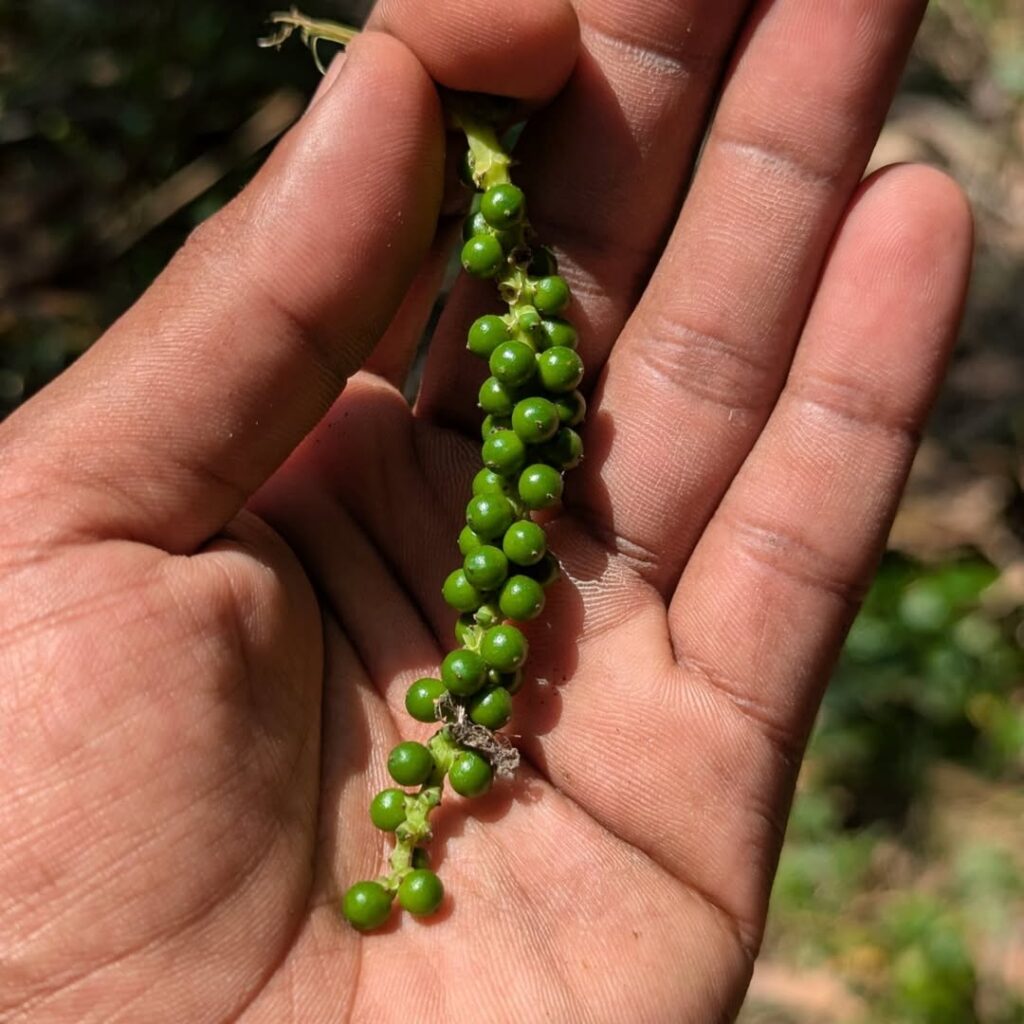
People are starting to recognise this knowledge belongs to them- it’s their treasure. In Tamil, we call it ‘pookisham’. But many ignore it, looking at their mobile phones instead. You can’t eat a phone. On Monday, Wednesday, and Friday, we harvest big baskets of Italian basil, lemon basil, edible weeds for salad and spinach, bananas, plantains, cooking banana stems, ‘jungly bengan’, custard apple, chiku, passion fruit, and more. Our ‘Bhoomidev’ is so generous and never stops giving. But we have created a farming system where you only get a harvest after several months, and then nothing grows for months more. That’s a very myopic vision of profit.
MOSAIC: You do workshops and food festivals at Solitude Farm. What distinctive transformations have you seen in people?
McKenzie: Loads of people have started farms and projects after visiting here. I was supposed to go to Chennai today to help someone create a food forest. They have land- a bit less than an acre- and they’re saying, “We could sell it because it’s on the roadside; we could get some crores for it.” But they really feel they have to invest in the food forest instead. So yes, I’m going there to show them how, but also to explain the socio-economic side of it- how education can be integral to economic sustainability by bringing workshops to that project.
There are quite a number of people like that who’ve done projects- actually, quite prominent people. If you Google
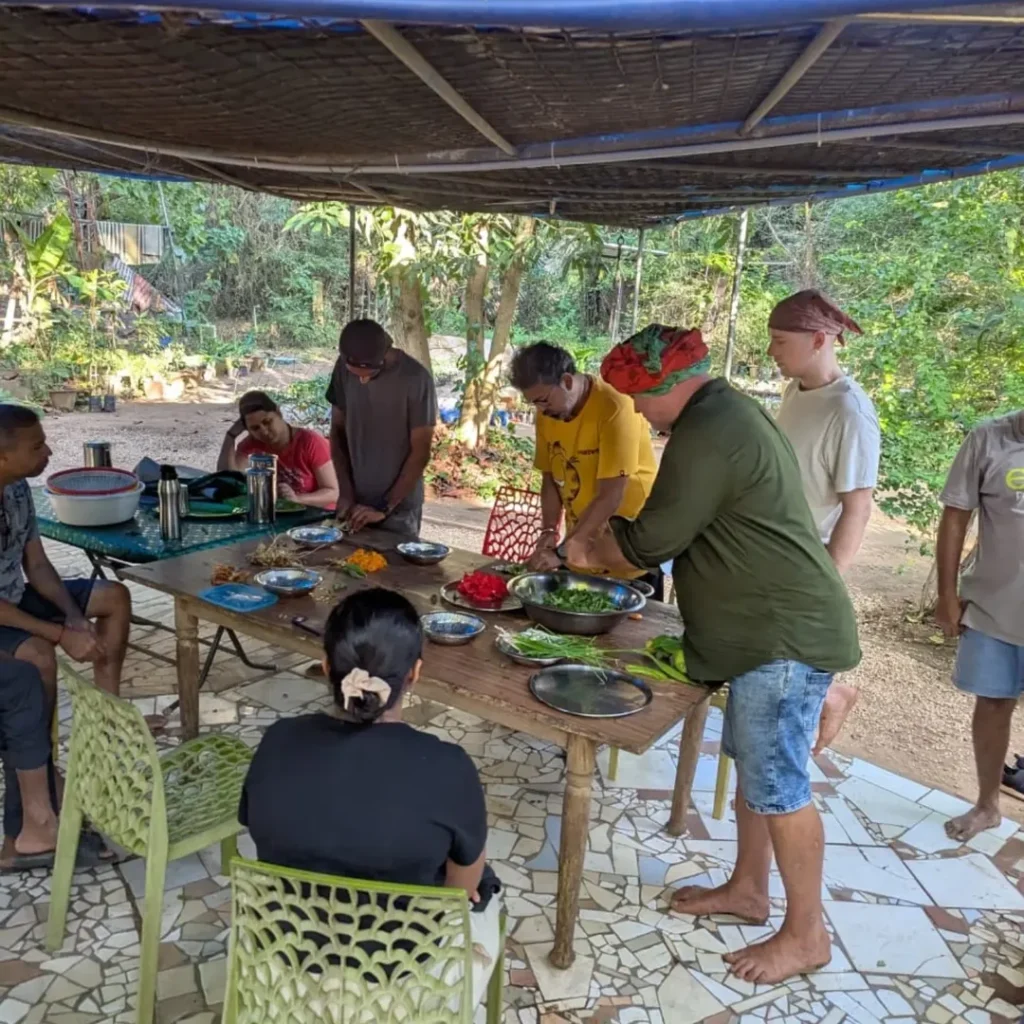
“permaculture in India,” you’ll see a few of them started at Solitude. Quite a few of them. The result of this will not only be no carbon footprint and lifestyle diseases like diabetes addressed- it’s deeper. The main takeaway is that everyone will have something truly in common: cultural identity. We differ on music, philosophy, vegetarianism, meat-eating- God knows what opinions, ideas, ideologies cause fights. But this? We all agree.
Within society, it fosters real empathy and collective values- what we cultivate here at the farm. The term is “cultural redemption”: the reclamation of cultural identity through the honouring of local foods. That’s the story.
MOSAIC: What simple, practical steps can families take at home to begin cultivating their own food and practising sustainable agriculture, especially for parents who want their children to grow food but don’t know where to start?
McKenzie: You have to start simple- for example, go meet your grandma and ask her everything she knows about moringa. How does it grow? You break a stick off, plug it into the ground, and it grows. That’s the first characteristic of local food: no esoteric knowledge needed- it just grows.
Then learn to cook it, but first, just eat it. Sit with your grandma and say, ‘Granny, can you cook that for me?’ How happy she’ll be- she’ll feel proud. Then call your friends, throw a party with moringa. Make a video about it, a poster. Take it to your college, school, corporate campus, workspace: ‘Guys, can’t we put this on the menu once a week?’ Bring samples. Ask them ‘Why don’t we support local farmers who grow it?’ Initiate a conversation.
MOSAIC: Is there a particular dish from your farm that you’d like to share—one that truly captures the soul of Indian sustainable food?
Krishna McKenzie: Drumstick, spinach, 100%. My vision is to have drumsticks and spinach served in every school and college across India at least once a week. I believe this simple act can spark a revolution- not one imported from outside, but a true revolution rooted in honouring the beauty and ancient knowledge of India.
MOSAIC: What one key message would you like to share with Mosaic readers—what do you want them to carry into their daily lives?
Krishna McKenzie: Eat local food. Understand its characteristics. Value local food.
Mckenzie’s heart beats to the rhythm of music, food, and culture in a way that’s just so alive and genuine. As the lead singer of his fusion band Emergence– blending jazz, acoustic rock, and even dappankuthu– he’s poured his soul into performances at places like Glastonbury and Mumbai’s Blue Frog, seeing music as a bridge that brings people together, much like the farm-to-table feasts he crafts with such tender care. For him, food isn’t just sustenance; it’s a loving embrace of Tamil heritage, a way to heal and connect through grandma’s forgotten recipes. And culture? He cherishes it deeply, fluent in Tamil, living it every day in Auroville- not as some outsider, but as family under one sky, gently reminding us all to hold onto our roots with warmth and pride.
Today, 33 years later, McKenzie’s dedication to sustainable living continues as he witnesses his daughter thriving in the very school that shaped his youth, surrounded by those same influential educators. His journey illustrates a powerful narrative that transcends generations- one that resonates with sustainability influencers, policymakers, educators, and advocates worldwide.
As we push toward the United Nations Sustainable Development Goals (SDGs), stories like McKenzie’s serve as vital reminders of the impact of education, connection, and responsible living. They inspire us to forge our own paths on our journeys, fostering sustainable practices that honour the planet and its people. McKenzie’s life demonstrates that when we dare to dream and embrace our destinies, we can create a ripple effect that nurtures future generations and a healthier world. Krishna McKenzie’s journey reminds us: reclaim local foods, heal the land, and sow seeds for a vibrant, diabetes-free India.