

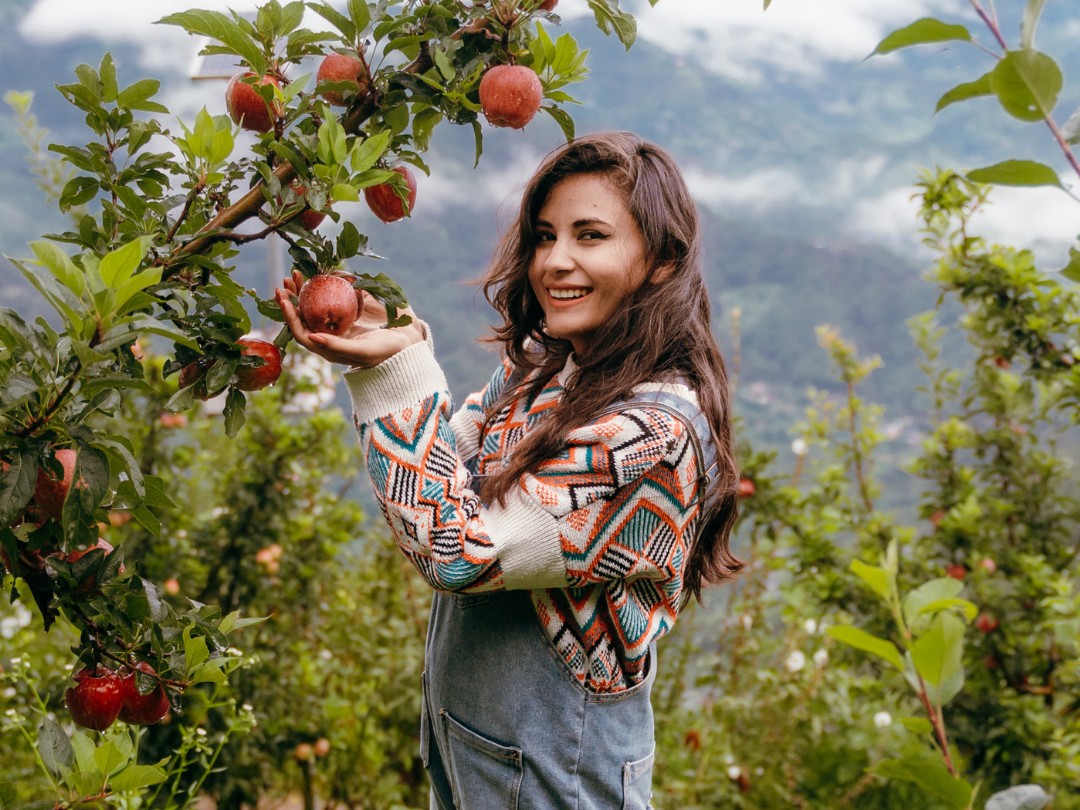
Phal Phool is her answer; a direct-to-consumer lifeline that cuts out middlemen, delivering farm-fresh apples, heirloom seeds, pulses, and herbal teas straight from the source. It’s more than produce; it’s a rebellion against a supply chain that devours farmers’ margins and delivers flavourless, cold-stored impostors to our plates. Starting with adrenaline-fueled test sales on Instagram in 2021 and selling out in three hours to her 12k plant-loving followers, Aprajita turned her balcony gardening hobby into a full-throttle mission. From her parents’ orchard and partnerships with like-minded farmers, Phal Phool now ships seasonal bounty nationwide, always prioritising quality over quantity. Products vanish from the site within hours of posting.
What sets Phal Phool apart isn’t scale but nature-based connections. Aprajita handpicks heirloom varieties on the brink of extinction, from rare tomato strains to desi pulses, building a seed bank that locals access for free while customers snag extras online. Packaging is starkly minimalist and eco-friendly where possible (she’s still on the hunt for a greener alternative to apple nets). The website echoes this: no frills, just honest photos of plucking, packing, and the faces behind the food. It’s simplicity weaponised—rooted in the land, untainted by corporate gloss. In a market flooded with year-round “fresh” fakes, Phal Phool reminds us: real food has seasons, stories, and souls.
Aprajita’s journey traces India’s fractured food narrative. Raised in a village where farming carried a stigma of poverty, she’d rebrand her dad as a “horticulturist” to classmates. She left for city schools by fourth grade, then engineered her way through Chennai, Bangalore, and Noida. COVID pulled her back to the farm, where hailstorms and pests tested her resolve. Next, permaculture courses and hands-on trials, 12 tomato varieties, white sunflowers, vanishing bhindi seeds – all this ignited a fire. Phal Phool isn’t about expansion for its own sake; it’s about preservation, paying farmers fairly, and reconnecting eaters with the earth. As her father once lamented, “Any producer sets their price except the farmer who feeds us.” She’s flipping that script, one sold-out batch at a time.
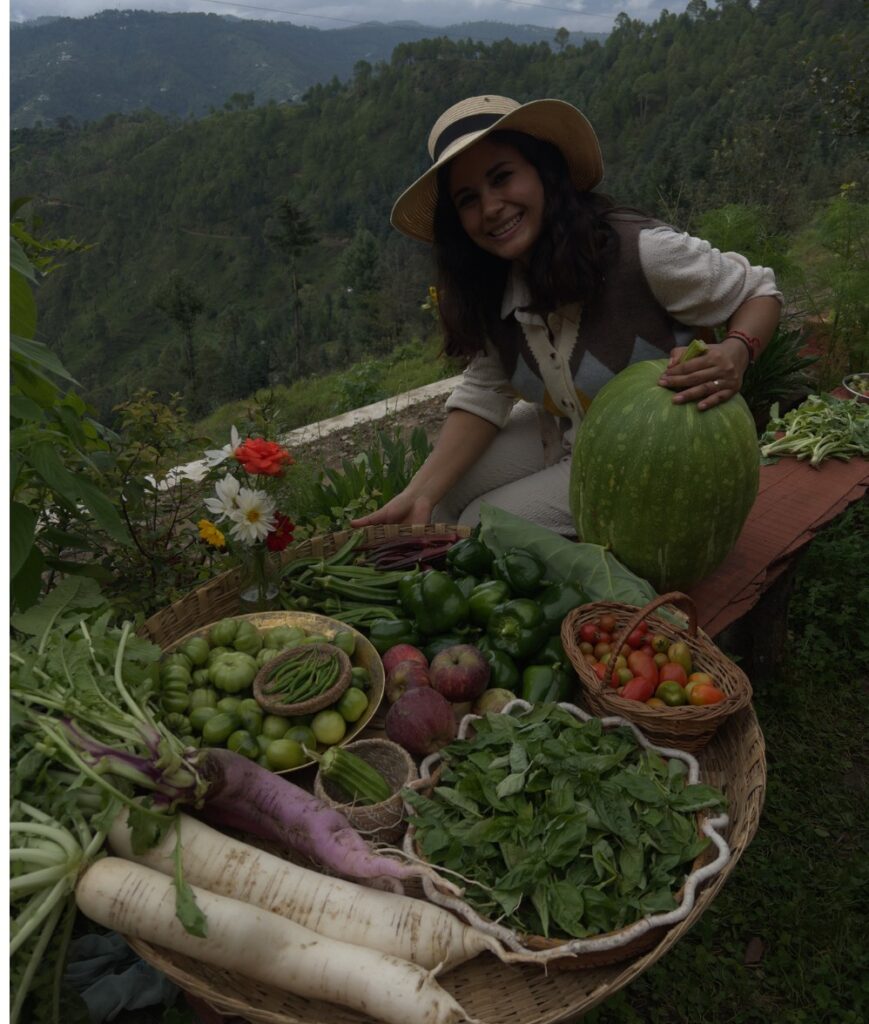
MOSAIC: You started Phal Phool to bypass middlemen and deliver apples straight from your parents’ orchard in Himachal. Walk us through this journey of yours.
Aprajita: My parents are dedicated farmers who cultivate apples as their primary crop, along with a variety of vegetables and other fruits. Growing up, I often felt embarrassed to introduce them as farmers to my friends; farming was still perceived as an occupation for the poor, a stigma that persists even today, though attitudes are gradually shifting. To avoid judgment, I would refer to my father as a “horticulturist,” hoping it sounded more respectable. My early education took place in a small village school with limited resources and opportunities. By fourth grade, I was determined to pursue better prospects and pleaded with my parents to let me attend a city school. It took four years of persistent persuasion, but that move ultimately laid the foundation for my future.
I pursued a degree in computer science engineering at the time; career choices were largely limited to becoming a doctor or an engineer, and later worked at leading IT multinational companies in Chennai, Bangalore, and Noida. One day, while shopping at a supermarket, I was struck by the sight of apples priced at ₹360 per kilogram. It made me question: if consumers are willing to pay so much, why do farmers like my parents receive only a fraction of that amount? This moment sparked the idea for Phal Phool.
Years later, following the COVID pandemic in July 2021, I visited my parents’ farm. I was shocked to learn that their first batch of apples had been sold at the mandi for just ₹30–40 per kilogram. Determined to understand the reasons behind this disparity, I discovered a complex web of middlemen dependency, unpredictable market rates, lack of direct access to customers, and minimal government support. Despite working tirelessly year-round, farmers struggle to make ends meet.
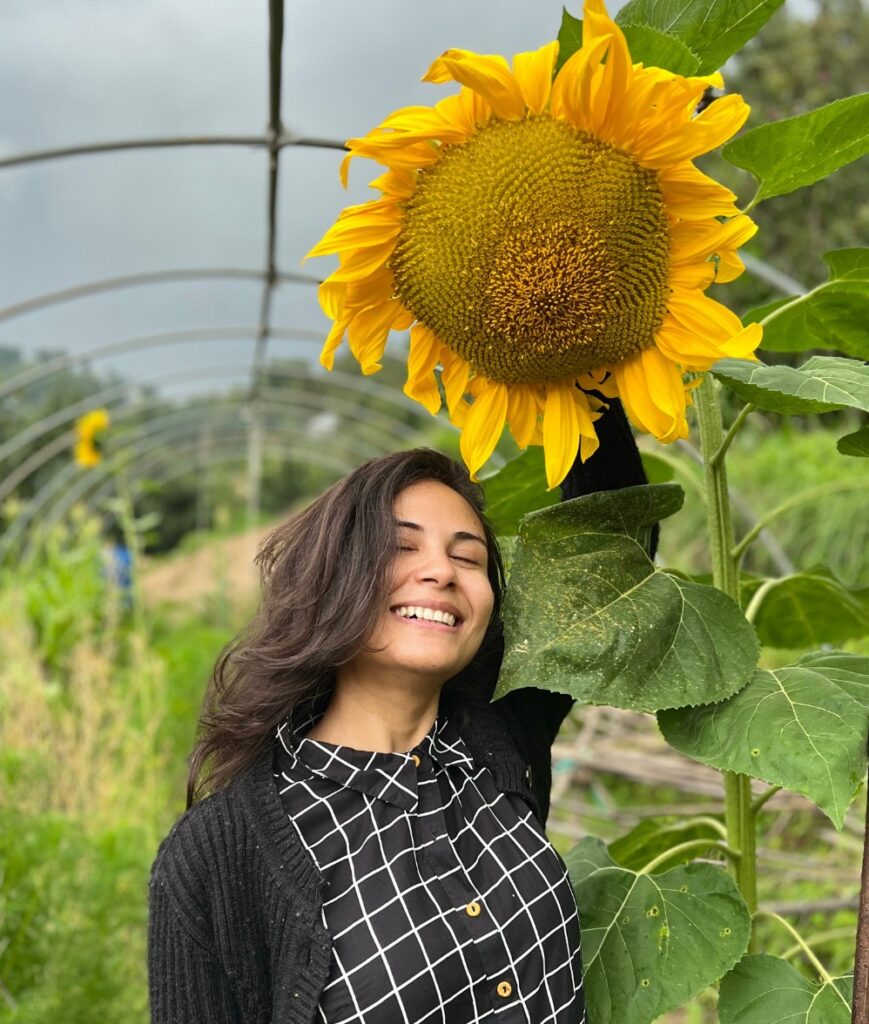
I tested the waters with an IG sale to my 12k plant enthusiasts: “Taste apples plucked fresh that are way better than market stuff.” Sold out in three hours! We pulled it off in a week, sourcing packaging, picking, and dispatching. Pure adrenaline! Friends (one of whom is now my husband) helped deliver till 11 p.m.; customers even pitched in. We were limited to Delhi-NCR via Porter service, and folks waited till 11:30 p.m. Crazy start, but our “Phal Phool family” backed us from day one. My brother handled ops; I did sales and relations. Gradually, I shifted from balcony gardening to full-fledged farming, quit my job after 1.5 years, and dove into Phal Phool, introducing diverse heirlooms, 12 tomato varieties, 4 sunflower varieties (white, yellow, red, giant), and 5 bhindi varieties. I built a seed bank for locals and added seeds to an online catalogue. A permaculture course taught me sustainable living. Initially, it was just to help my parents with the annual July-August sales. Then other farmers reached out, seeing the potential in this untapped, decentralised market.
MOSAIC: You call yourself “your favourite farmer girl.” How has your farm upbringing shaped your business philosophy, and what does ‘Phal Phool’ really mean?
Aprajita: Growing up, watching my parents shape everything, repotting and composting came naturally. During COVID, my IG tips on plants exploded as everyone gardened. But the real pivot was that farm visit. Now, Phal Phool embodies fruit and flower ‘phal’ for produce, ‘phool’ for the beauty and diversity we nurture. It’s my mission: reclaim farming’s dignity, blend tradition with modern reach, and make “farmer” a badge of pride.
MOSAIC: Phal Phool now offers heirloom seeds, pulses, and herbal teas beyond apples. Why preserve these traditional varieties, and how do you pick new products?
Aprajita: Seeds are the life force of food, carrying biodiversity, cultural memory, nutrition, and genes that adapt to climate. India’s heritage thrived on diverse, local varieties and seed-saving. Lose them, and we lose resilience, flavour, nutrition, and autonomy. Threats like climate change, industrial agriculture, and habitat loss are brutal: Garhwal had 3,000 rice types; now just 320. Two-thirds of global seeds are corporate-controlled, breeding dependency, chemicals, and inequality. At Phal Phool, preservation means self-reliance, plus carbon sequestration and ecosystem health. We select open-pollinated, climate-resilient, chemical-free, non-GMO seeds grown by us or trusted farmers. If it boosts biodiversity, independence, and long-term resilience, it’s in.
MOSAIC: How do you maintain farm-fresh quality and purity as Phal Phool scales, and what trade-offs won’t you make?
Aprajita: We put quality before quantity. Our products often sell out because we move deliberately, always with pure intentions. This year, we’ve partnered with two more apple farmers and five more across India for heirloom seeds and pulses. Freshness, ethics, and fair farmer pay come first, always. We embrace slower growth and higher costs to stay true to our values. Each box represents a year’s worth of hard work.
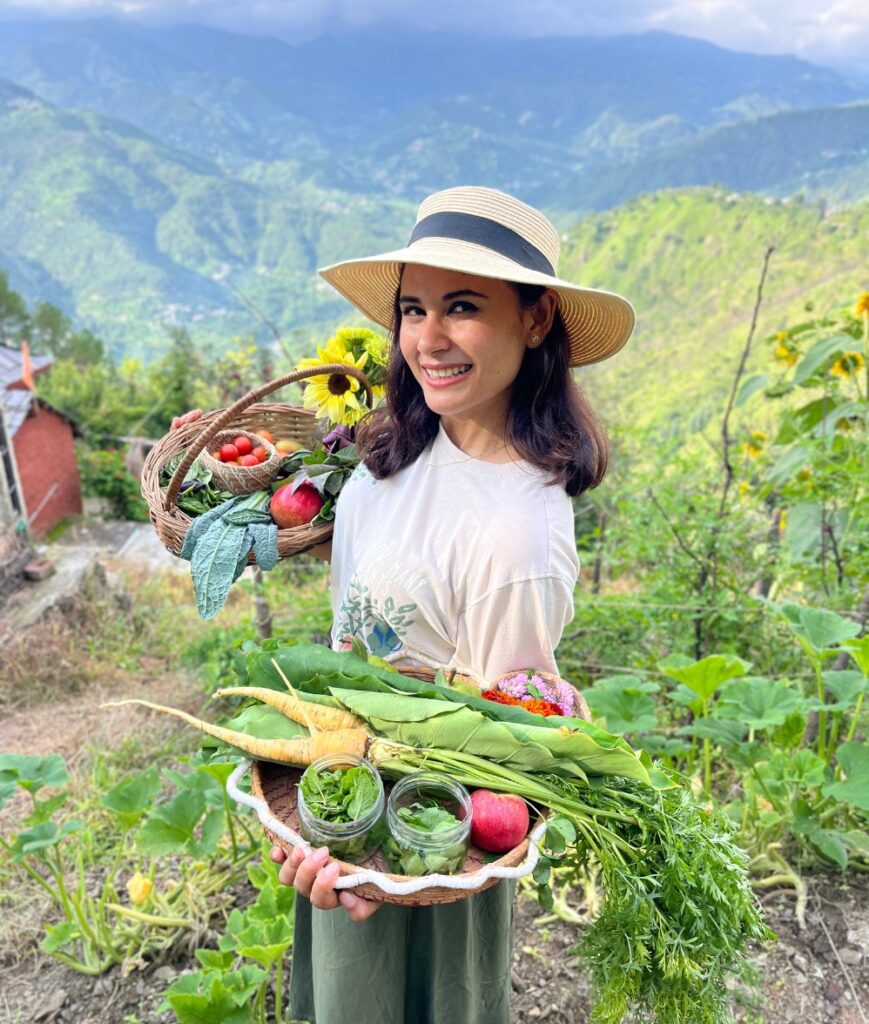
MOSAIC: By cutting out the middlemen, how has Phal Phool benefited farmers and buyers in terms of value, freshness, and transparency?
Aprajita: For farmers, it has been fair rates for their nonstop labour, instant payments (not 10 days to 10 months), and freedom from daily market whims.
For customers, they finally know their food: the harvest seasons, varieties, and the real taste of fresh-plucked (not cold-stored, market fakes). My IG poll showed even Himachal folks knew little. Now, stories of plucking, packing, and reviews make them part of the journey. They spot true prices, practices, and freshness.
MOSAIC: As a young woman modernising traditional farming, what’s your message to the other youth of today, especially women?
Aprajita: To young women: don’t hesitate, your knowledge and skills can lead the way. Women have always been the backbone of Indian agriculture, for example, my mother, who has been managing fields, homes, and children, often without recognition. Now, with new Farmer-Producer Organisations (FPOs) and government schemes, opportunities are opening up for women to step into leadership and entrepreneurship in agriculture.
Youth: huge potential here. Traditional farming stagnated; the Green Revolution dumped chemicals into our soil, food, and bodies. You’re aware of adulteration and health crises. Use your passion for clean air, nature, and real food, and start early. Make it cool, transform it with your expertise.
Mosaic’s theme is “Rooted in simplicity.” How does simplicity guide Phal Phool—from packaging to farming and customer ties?
Aprajita: Our brand is rooted in nature. It began simply: sell apples to help parents. Now, we offer what’s growing accessibility. Packaging is minimalist, resource-light, and eco-friendly (apple nets pending a green fix). Website, farming, relations—all straightforward, no waste.
MOSAIC: Customers share deeply personal reviews. How vital is this connection and sourcing transparency?
Aprajita: It’s everything—my fuel to brave annual apple sales despite chaos. Fresh fruit online? Unpredictable: pests, hail (80% crop lost this year), no affordable couriers/insurance, and tight shelf life. Damaged boxes mean total loss. But my Phal Phool family’s love, reviews, “When’s the sale?!” messages? They drive me to improve yearly.
MOSAIC: What’s next, an exciting indigenous product or category and what is Phal Phool’s five-year vision?
Aprajita: There’s a demo run soon for dried apple/pear chips, year-round access beyond seasons. Sourcing indigenous seeds nationwide for one platform, fair prices to save vanishing varieties. Diversity in food and seeds is key; commercialisation has erased so much of it. Also, medicinal “weeds” for healing forgotten traditional wisdom. No rigid plans; I follow my gut. Phal Phool evolves with me, always rooted in nature, ancestral food-health knowledge.
MOSAIC: What’s the one action consumers can take to back your ethical, heritage food movement?
Aprajita: Know your food’s source. Buy direct from farmers if possible. Otherwise, grow your own. You can start with one plant: tomato, basil, bhindi, whatever you love. It’s transformative: you’ll grasp seasons, waste less, and crave real health.
Phal Phool’s story is proof that change begins with a single question, a simple act, or a season’s harvest. Aprajita Bansal’s vision has not just reconnected people with food, but has restored dignity to the hands that produce it. As the movement grows, it reminds us that honest, nourishing food and resilient farming communities depend on mindful choices, whether it’s supporting a farmer, growing a tomato, or simply asking where your food comes from. In rooting for simplicity, Phal Phool is quietly seeding a revolution around quality, health and fair trade.