

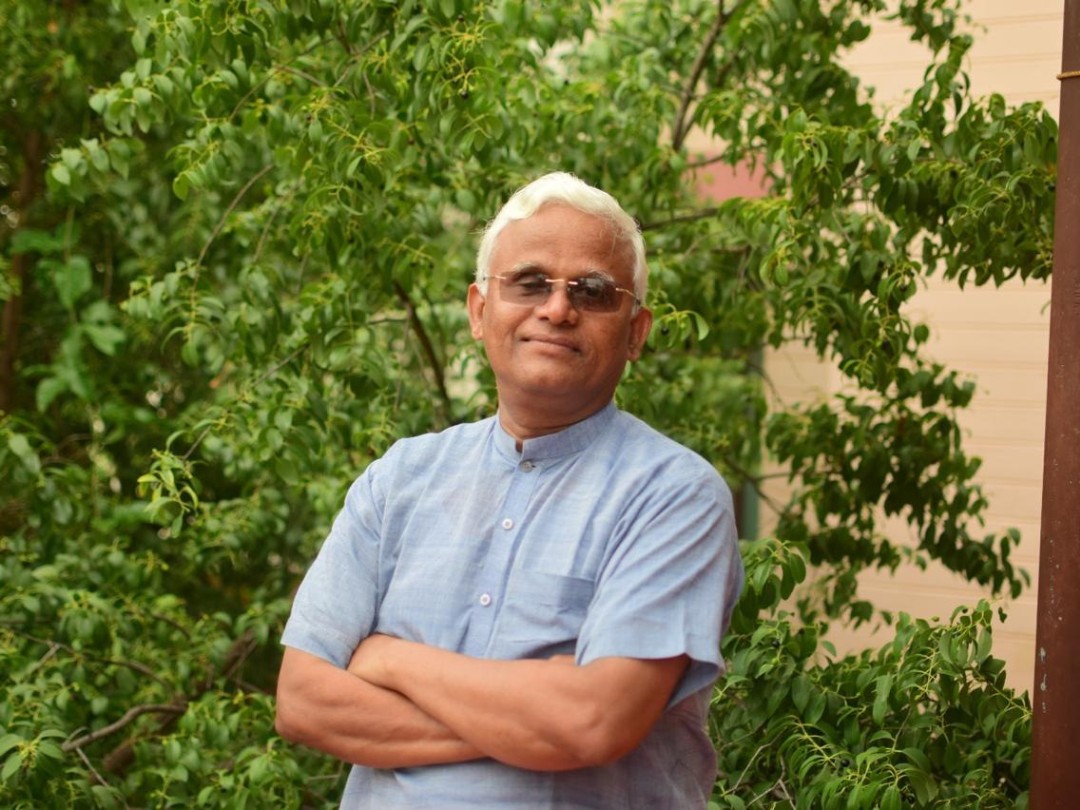
A food scientist by training and a passionate advocate for natural agriculture, Dr Valli’s journey is as much about science as it is about philosophy. He did advanced research and work abroad, including a stint at DuPont. He returned to India, alarmed by the direction of modern food systems. He saw staple diets dominated by refined rice, wheat, sugar, and industrially produced foods. These foods were all cultivated through chemical-laden monocultures.
For Dr Valli, the issue is not just agricultural—it’s civilisational. He argues that the industrial food system has steadily replaced traditional, nutritionally balanced, and ecologically resilient grains. In their place are monoculture crops, bolstered by fertilisers, pesticides, and global supply chains. These changes have reshaped diets and ecosystems. The result, he believes, is an unprecedented surge in lifestyle diseases worldwide. Through relentless advocacy for Siridhanya, a group of five traditional millets. Dr Valli has garnered national recognition. His efforts in promoting millet-based diets, farmer training, and sustainable agriculture have been acknowledged by the Government of India, and he was awarded the Padma Shri by the President of India for his contributions to food science and public health.
Yet, Dr Valli’s mission goes far beyond accolades. Through lectures, farmer training programs, and clinical work, he has devoted his life to spreading a message he considers fundamental to humanity’s survival: that food sovereignty, ecological farming, and millet-based nutrition are the keys to restoring both human health and planetary balance.
In this exclusive conversation with MOSAIC, Dr Valli shares his scientific perspective on food systems, the health benefits of millets, and why he believes a dietary revolution is vital for the future of humanity.
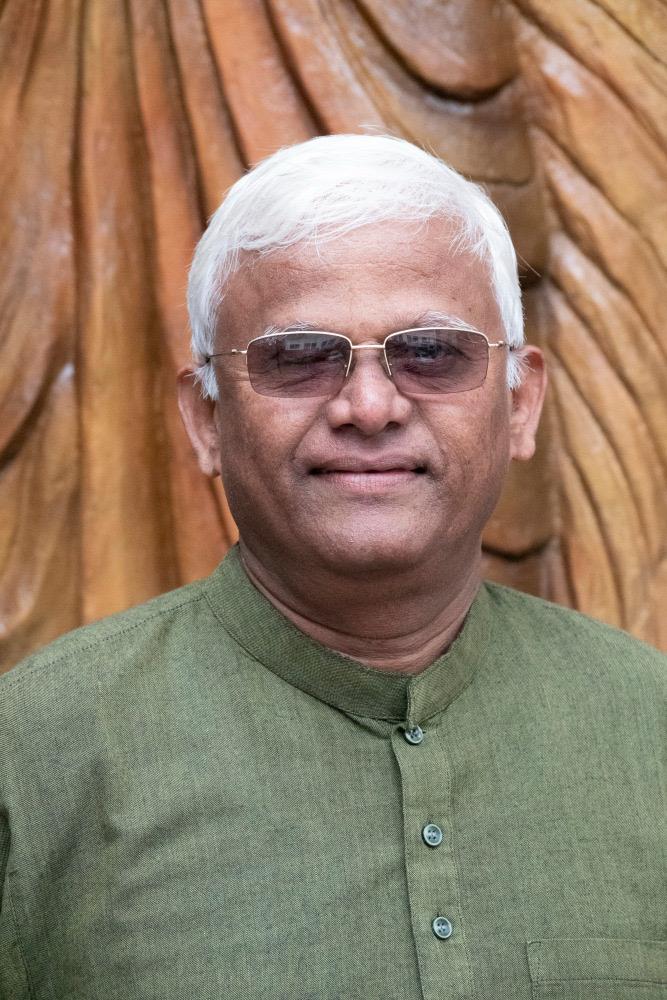
MOSAIC: Modern diets are dominated by rice, wheat, sugar, and industrial food systems. From your perspective, what is fundamentally wrong with the food the world is consuming today?
Dr Valli: The food most people eat today is essentially artificial. Our crops are grown using fertilisers, pesticides, and monoculture methods that are out of sync with natural processes. When rice, wheat, sugar, milk, and meat are produced on an industrial scale, large amounts of chemicals inevitably enter our food chain. This creates three major imbalances in the human body: glucose, hormonal, and microbial. Rice, wheat, and sugar disrupt blood glucose balance, while industrial dairy and meat introduce hormones and steroids that interfere with the body’s endocrine system. Meanwhile, chemical farming harms the gut microbiome. When these systems fall out of balance, diseases emerge. Diabetes, heart disease, hypertension, thyroid problems- these are not isolated illnesses, but symptoms of a larger disruption in how we grow and consume food.
MOSAIC: Your research identifies five Siridhanya millets as “positive grains.” What is the science behind how these millets support mitochondrial and metabolic health?
Dr Valli: Mitochondria are the energy centres of our cells. They burn glucose and produce ATP, fuelling every biological process in the body. For mitochondria to function well, the body must carefully regulate glucose release. The five millets I focus on- kodo, foxtail, little, barnyard, and brown top- are rich in fiber and compounds called lignans. These lignans help neutralise excess oxidative stress during cellular energy production. Because these grains release glucose slowly into the bloodstream, they maintain homeostasis- a stable blood sugar balance. Unlike rice and wheat, which cause spikes, millet fibre regulates the process. Excess glucose is eliminated, not stored as fat. This mechanism protects the liver, prevents fatty liver conditions, and supports mitochondrial health at a fundamental level.
MOSAIC: You have spent more than three decades studying the health impacts of millet-based diets. What evidence or experiments convinced you of their therapeutic potential?
Dr Valli: After leaving DuPont, I established a clinic where we closely observed patients. For over thirty years, we have seen more than seventy patients daily. Through dietary changes centred on millets, we’ve documented thousands of cases where people reversed diabetes, thyroid disorders, and metabolic illnesses.
These are not just theories. They are based on decades of clinical observations. Many people who relied on lifelong medication have been able to stop taking tablets simply by changing their diets.
MOSAIC: Was there a particular moment in your life when you realised that modern food systems were causing serious problems?
Dr Valli: Yes. In the late 1980s, while I was in the United States, I met a young girl who started menstruating at age six. That was shocking. It made me question what was happening in our food systems. The more I studied, the clearer it became that hormonal disturbances were linked to the way dairy and animal products were being produced. Industrial dairy farming, where cows produce extremely high milk yields, often involves the use of hormones and altered feeding systems. That realisation led me to rethink everything, from dairy consumption to the loss of traditional grains like millets.

MOSAIC: You often discuss the relationship between specific millets and various organ systems. How does something like kodo millet contribute to conditions such as PCOD or obesity?
Dr Valli: Each millet has a unique nutritional profile and physiological influence. For example, kodo millet supports blood purification and healthy circulation. Since reproductive health is closely tied to blood flow and nutrient distribution, this grain indirectly influences fertility and hormonal balance.
Other millets support different systems:
- Little millet helps cleanse reproductive organs.
- Barnyard millet supports the kidneys and liver.
- Foxtail millet benefits the nervous system and lungs.
- Browntop millet complements the metabolic network.
Together, they create a synchronised nutritional ecosystem. That’s why traditional diets emphasised diversity rather than dependence on a single grain.
MOSAIC: You frequently criticise the dominance of rice and wheat in global diets. Why do you believe millets were sidelined?
Dr Valli: The disappearance of millets wasn’t accidental. Over the past century, corporate-driven agriculture promoted crops that could be standardised, patented, and industrially processed. Rice and wheat became global staples because they fit into this system- seeds, fertilisers, and pesticides could be controlled by corporations. Farmers became dependent on external inputs. Millets, on the other hand, grow almost anywhere with minimal water and chemicals. They give farmers independence. From a corporate perspective, that kind of food sovereignty is inconvenient.
MOSAIC: Your farmer training programs focus on restoring barren land through millet cultivation. How do these grains improve soil health and water conservation?
Dr Valli: Millets play a crucial ecological role. Their root systems stabilise the most fertile layer of soil. When rain falls, the soil doesn’t wash away; instead, water percolates downward, replenishing underground water tables. Over time, the roots enrich the soil with minerals and organic matter. We’ve conducted experiments on degraded and even mining land. After just a few cycles of millet cultivation, the soil becomes fertile again and can support other crops. This is what real sustainability looks like.
MOSAIC: Many urban diets are heavily processed. What simple changes would you recommend for people living in cities?
Dr Valli: The first step is to restore gut microbial balance. A fermented millet porridge- Ambali– is highly effective. Once the gut microbiome improves, the body begins to regulate itself. Next, remove rice, wheat, and sugar from daily meals and replace them with millet-based foods like rotis, porridges, or khichdi. Fresh vegetable juices from cucumber, bottle gourd, or ash gourd can help clear blockages and reduce hypertension. Within weeks, many metabolic problems start to reverse.
MOSAIC: You have spoken internationally about millets and global food systems. How can India position itself as a leader in this movement?
Dr Valli: India’s unique advantage is that millets are part of our traditional agriculture. Supported by strong policies, these crops can contribute not just to national health but also to global food security. However, meaningful progress requires investment, especially for farmers practising rain-fed agriculture. If governments reallocate even half the resources spent on chemical-intensive farming to millet cultivation, we could revolutionise the food system.
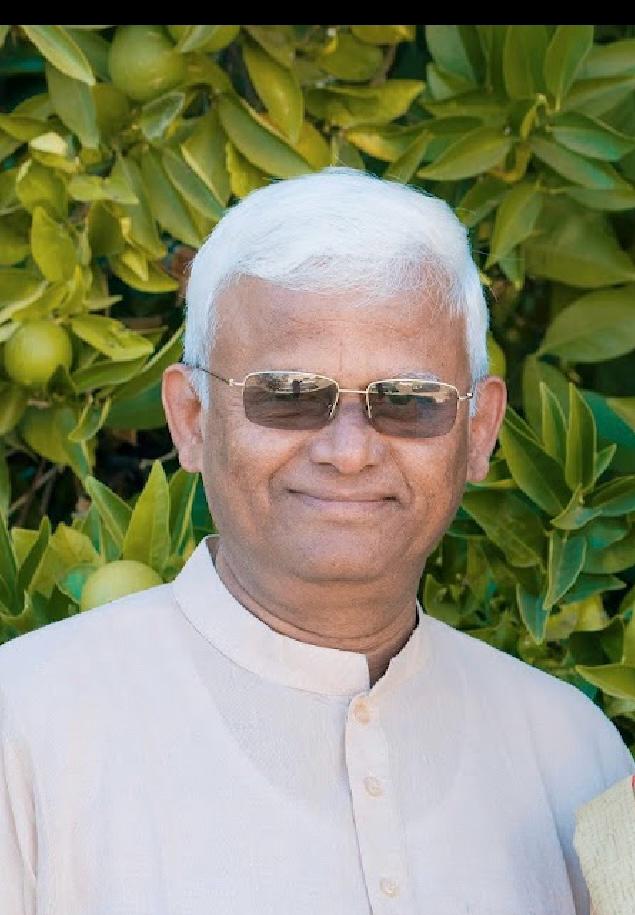
MOSAIC: What role does the gut microbiome play in the health benefits of millets?
Dr Valli: The gut microbiome is the gateway to health. Millet fibre feeds beneficial microbes, and fermented preparations like Ambali introduce additional microorganisms, restoring microbial diversity. Once this balance is restored, many chronic diseases become far less likely to develop.
MOSAIC: Looking ahead, how do you see millets shaping the future of India’s food system?
Dr Valli: A silent revolution has already begun. More farmers are returning to millet cultivation, and more people are rediscovering these grains. But now it must become a louder revolution. Millets can restore biodiversity, protect rivers, revive soil fertility, and improve public health. Ultimately, the power lies with individuals. When people choose millets, they break free from industrial food systems. If enough people make that choice, the transformation will be unstoppable.
Dr Khadar Valli’s work isn’t just about nutrition; it’s about redefining humanity’s relationship with food, agriculture, and the earth itself. In a world grappling with climate change, soil loss, and rising lifestyle diseases, his message is both radical and deeply rooted in tradition. For Dr Valli, the answer is not technological complexity or pharmaceuticals, but something far simpler: a return to the grains that sustained civilisations long before industrial agriculture. And in those humble millet seeds, he believes, lies the possibility of a healthier future for both people and the planet.