

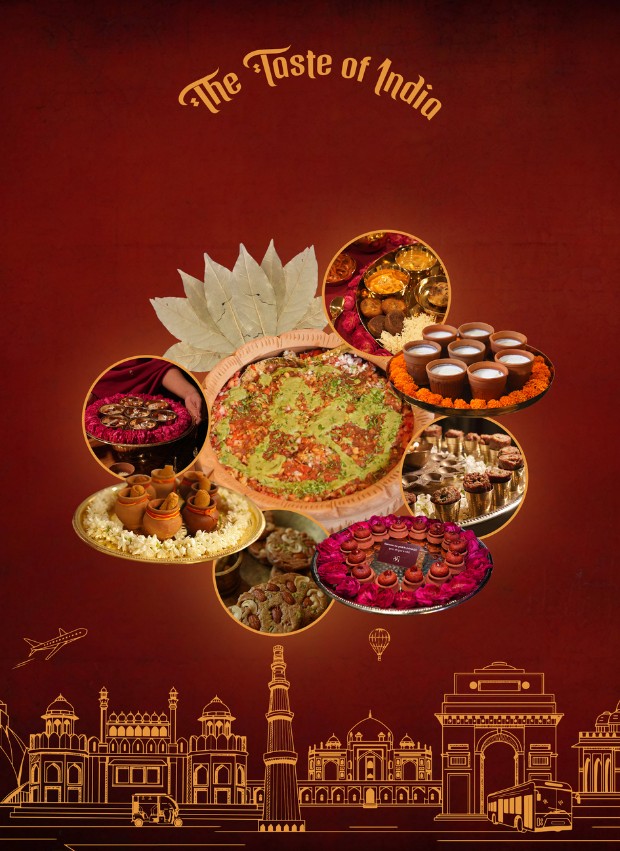
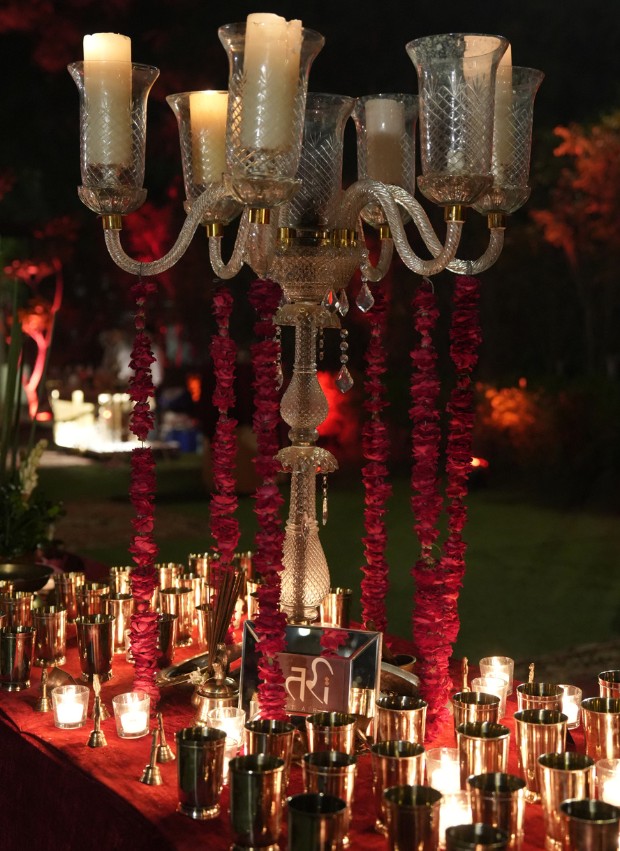
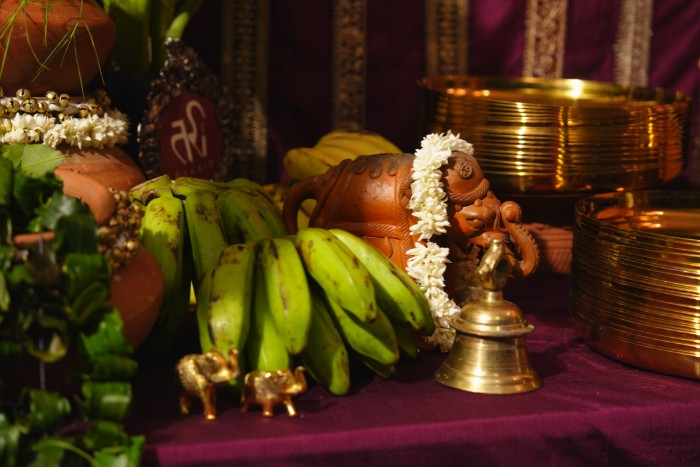
It was a quaint fashion showcase held in Delhi last autumn where I first experienced a food presentation by Tari. The buffet served at such events rarely stands out because the food becomes more of a filler amidst the banter than a feature to converse about. But this one was different. While guests tucked into the buttery haleem, Lucknowi aloo chaat, Kashmiri rajma and the aromatic phirni, everyone appreciated the presentation as much as the unique yet familiar flavours. Terracotta plates were strategically placed with gleaming brassware on the table decorated with roses, Indian tuberoses and marigold. A faint yet refreshing aroma of attar accompanied the preparations without clouding the scent emanating from the delectable dishes.
There was something very old-world and handmade about the catering—it reminded gourmands of family meals during festive and special soirees. When meals weren’t rushed. When morsels were savoured because the dishes were prepared with heirloom recipes, prepared with indigenous ingredients. When women of the house sat together to craft dishes with love and attention, while humming delightful ditties. It evoked nostalgia that mirrored our culture, where family members and friends met to savour scrumptious dishes along with love, laughter and the sharing of stories and memories. Essentially, when good food and community eating was one of the high points of slow living. A characteristic of a lifestyle that is now coveted, in this world that moves by in a blip.
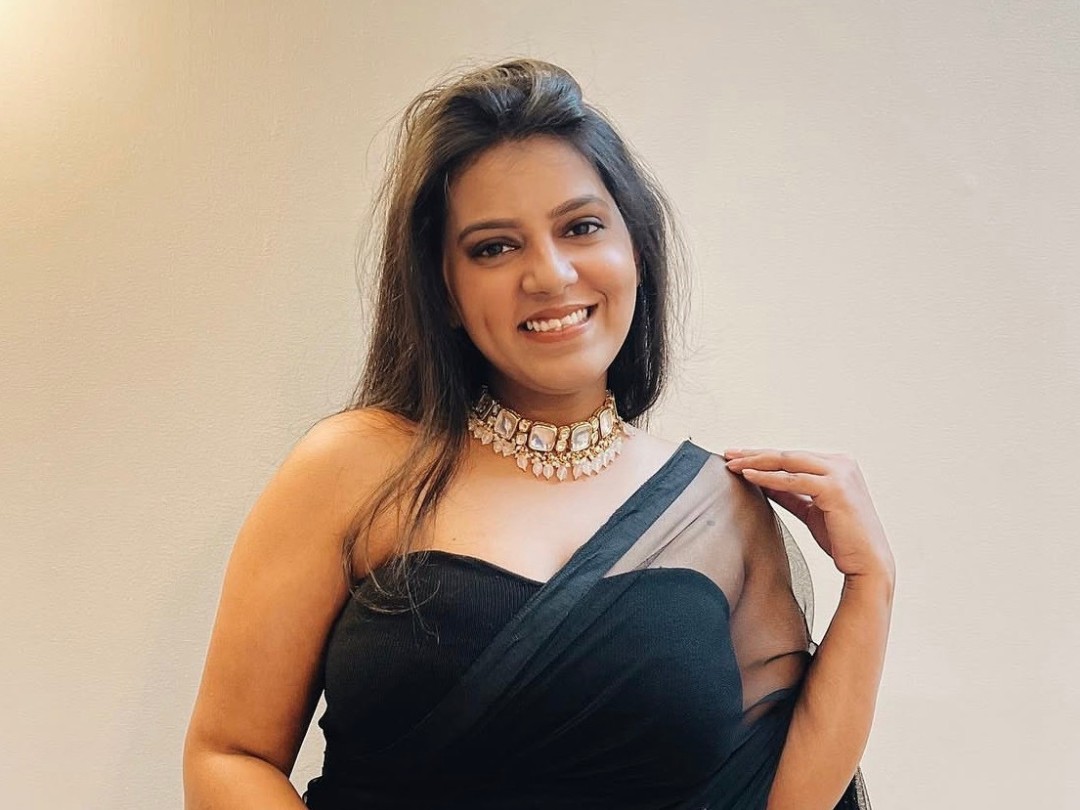
That was also the afternoon I met Unnati Gupta, the chef entrepreneur helming Tari, a word people living in Uttar Pradesh use to describe the rassa in curries. Constantly wearing a pleasing smile, Unnati ensured every plate that went around that afternoon bore the signature stamp of the Indian aesthetic. Down to the last detail. “Because, Tari is an Indian concept. We slurp on the curries as children and somewhere that memory should be piqued when guests dig into any preparation of Tari. It is not just about the perfect Indian taste. This is more about upholding our beautiful culture that prioritises hospitality with old world charm and grandeur. That is what we are constantly trying to bring back through Tari,” says the 30-year-old whose brainchild celebrates the timeless traditions of India through cuisine, storytelling, and curated experiences. Rooted in the tehzeeb reflective of Lucknow (where Unnati was born and brought up) and inspired by royal and archival cuisines of the subcontinent, Tari designs immersive dining journeys where every dish carries a story, every table becomes a dastarkhwan, and every guest feels like family.
Conversing about Tari and how the journey began, Unnati tells us that food is an extremely important part of the
family she grew up in. “People use the expression ‘ghar ka khana’ to refer to simple meals eaten at home. That can get monotonous at times. But not in the family I belong to. Every meal is interesting there, because for us food is related to moods. And that’s why when it was time to decide my career, I was pretty sure about which field to choose. For me food is art, cooking is the practice of that form and hence at Tari we present food that is a combination of all that as well as plating, serving and hosting,” says the entrepreneur who even has biryani tattooed on her arm in Urdu. “Because I am from Lucknow and we make the best biryani, right?!” she quips.
But biryani isn’t the first dish Unnati cooked, the chef informs. “On Janmashtami, we present an elaborate thali as bhog for Bhagwan ki Chhathi. My mother was indisposed this one year and my father had planned to get the sweetmeats from outside to present as bhog. I do not know what came over me but I declared that if my mother instructed me, I would cook the entire bhog, comprising 10 dishes. That was the first time I made an entire meal. The occasion was auspicious, the meal was special. I think becoming a chef was predestined,” Unnati recalls.
In a scenario where fellow chefs usually are dabbling with global cuisine or fusion fare. Unnati consciously stuck to presenting old world Indian flavours as she feels no brand is elevating Indian cuisine appropriately. “Fusion Indian food is not exactly the food that is Indian at core or made using lost and rare recipes. People in cities are served the usual jaded curries doused with cream and butter. But authentic Indian cuisine is a vast universe, cooked and honed by khansamas for centuries. We want connoisseurs to enjoy that in entirety. Tari serves recipes that were prevalent in royal kitchens, old familiar dishes as well as the vast array of street food emblematic of Lucknow,” explains Unnati.
For instance, the chefs at Tari don’t use cream or butter in their dishes to attain creamy textures. Ground dry fruits are used for that. Chandi ka warq is amply used for garnishing items that are made using recipes from royal dastarkhwan. The research has been collated by Unnati through extensive reading of several food chronicles but at Tari these old formats are rejigged to suit contemporaneity. “The idea is to create an IP that redefines the art of Indian cuisine and culture by promoting daawats and dastarkhwan. We want gourmands to partake of a sensory food experience
and meditate with food. We want them to rediscover dishes that maybe their grandmas used to make but got lost in translation and the rigour of current drudgeries. For instance, everyone talks about the non-vegetarian fare of Lucknow. We cook vegetarian fare that is special and memorable. You have had plenty of paneer tikka, now try our stuff is what we entice people with. If you go to Lucknow, you will find every khasta aloo place serving khasta that tastes distinctly different and exciting. That is the detailing we deliver. Every dish is identifiable and handcrafted to perfection. I grew up overdosing on the Rasaje my Dadi made. My guests take multiple helpings when we serve that at events. It is a personal high for me to reignite that memory,” Unnati sounds satisfied.
Understandably, Tari is an experience to be enjoyed in an unrushed manner. While the community eating concept is given priority, Unnati is particular that guests understand that the food is made slowly with love and precision. “We encourage gourmands to invest time in our meals. We are bringing back the core of experiential dining that requires patience and perseverance. We know it will find more and more takers,” says Unnati, adding, “At the heart of Tari are its signature experiences whether it is an intimate sit-down dastarkhwan, a cultural showcase woven with storytelling, or large-scale festive celebrations. Every detail, from the menu to the ambience is thoughtfully curated to ensure guests don’t just taste the food but also feel the culture behind it.”
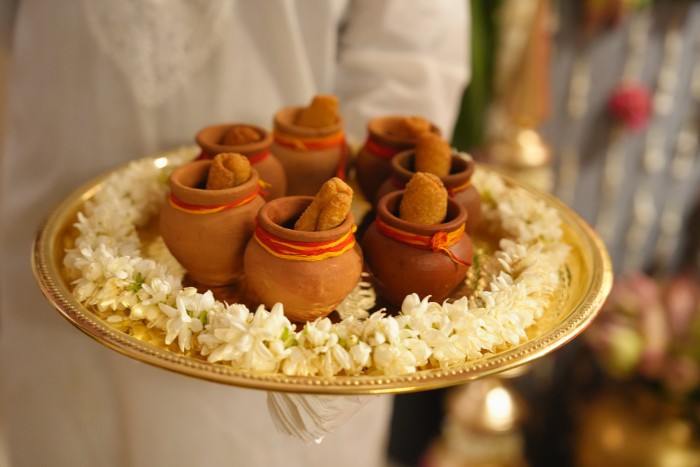
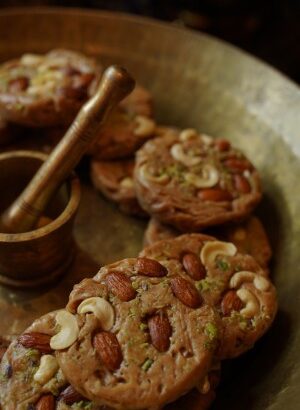
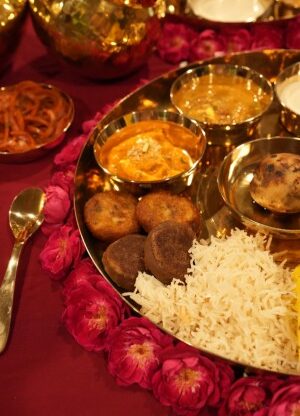
Some loved dishes Unnati’s chefs serve are Anjeer gulab ke kebab, Majlisi kebab, Guler Gosht biryani, Badam Roti, Chandrakala, Makhmali Murg, Safed Butter Chicken, Dahi ke Aloo Tadkewalein, Kali Gajar ka Halwa and so on. Mouthwatering, right? And this is just the beginning of the smorgasbord of heritage recipes being slow cooked at Tari. But it isn’t just the food (the biggest pull yes) says Unnati. It is the seamless blend of tradition, innovation and attention to sustaining lost food cultures that makes every Tari experience unique, memorable and deeply personal.
“Fusion Indian food is not exactly the food that is Indian at core or made using lost and rare recipes. People in cities are served the usual jaded curries doused with cream and butter. But authentic Indian cuisine is a vast universe, cooked and honed by khansamas for centuries. We want connoisseurs to enjoy that in entirety. Tari serves recipes that were prevalent in royal kitchens, old familiar dishes as well as the vast array of street food emblematic of Lucknow,”