


From how this beautiful 25 acres landscaped property is laid out in the foothills of Baddi in Himachal Pradesh, one might think of it as lah-dee-dah wellness retreat powered by Ayurveda that only helps in relaxation and rejuvenation of frayed city nerves but there is a lot more happening at Vaidyaratnam Vrindavan Ayurveda Chikitsalayam (VVAC). Promoted by Raj Rishi Garg, the core philosophy of VVAC is centred on positioning Ayurveda as the primary approach to health and wellbeing. This principle stems from the conviction that holistic healing begins with balance, physical, mental, emotional, and spiritual. Through the place’s alliance with the Vaidyaratnam Group, the classical roots of Kerala’s Ayurvedic system are upheld, thus providing a sanctuary where ancient wisdom is seamlessly woven into contemporary life.
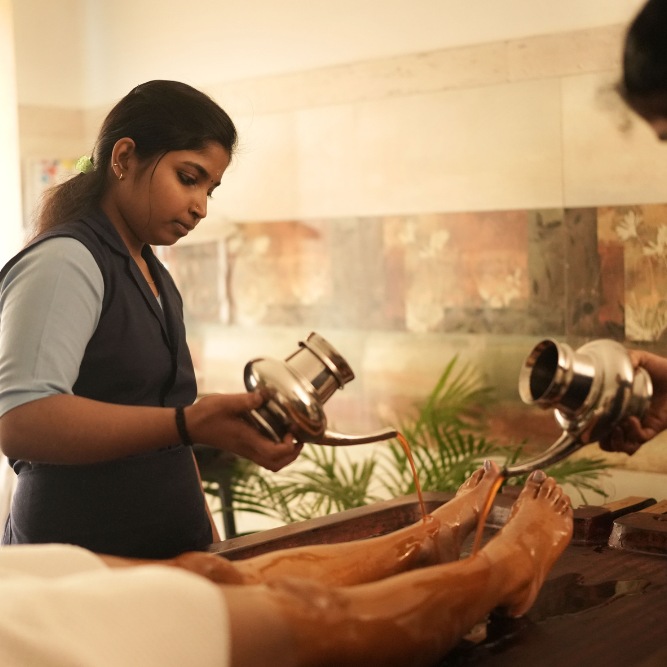
“Our ethos is not only therapeutic but transformational, enabling individuals to experience health not just as the absence of disease, but as a harmonious state of existence in tune with nature. Ayurveda is not merely a component here. It is the driving force behind every treatment, meal plan, and therapy at our centre. We follow a deeply individualised approach, diagnosing and treating guests based on their unique constitution (Prakriti) and imbalances in the three doshas,” informs Garg, adding, “Therapies are administered using freshly prepared oils and decoctions crafted onsite. The dining experience, daily schedules, and even rest routines are all tailored to the Ayurvedic timeline (Dinacharya and Ritucharya), ensuring that each element of a guest’s stay actively supports their healing. Our role is to bring ancient Ayurvedic principles into daily practice with scientific integrity and personal care.”
When we speak of Ayurvedic care, our mind immediately commutes to Kerala. But the fact is that ancient sages discovered herbs in the Himalayan foliage and went on to develop potions and cures from them. Village folk for centuries inculcated the wisdom from these Gurus while making use of nature’s goodness. Minute lifestyle alterations suggested at VVAC makes one reclaim the roots of what our forefathers did for a healthy body and mind. Moreover, a deep dive into Vedic and Puranic texts will unravel that Sanatana Dharma forms the crux of Ayurveda. No healing begins without submitting to Bhagwan Dhanvantari who guides us towards strengthening our core. Once that belief is ascertained, transitioning into the world of Ayurvedic wonders becomes seamless. “VVAC stands apart by offering a southern calibre of Ayurvedic care in the northern landscape. We deliver treatments traditionally sought only in the south, now available in Himachal’s serene Shivalik foothills. The immense scale of our campus, paired with the spiritual atmosphere and forest surroundings, creates an immersive healing ecosystem. Unlike conventional retreats, we combine NABH-certified clinical protocols with curated hospitality, modern accessibility, and a spiritual-cultural ambience. It is this seamless integration of classical medicine, ecological living, and luxury infrastructure that sets us distinctly apart in the wellness space,” Garg explains further.


Ecological balance also plays a definitive role in the Chikitsalayam’s operations as sustainability is woven into daily functioning. The Ayurvedic philosophy encourages living in alignment with the five elements, which are practiced through organic cultivation, responsible architecture, and ethical resource use. The produce served in Tulsi Varnam, the cafeteria is grown in the property’s own 15-acre organic farm, promoting seasonal, pesticide-free nutrition. The farm to table concept in Indian hospitality picked up steam a few years ago when experts in the industry answered the call of a sustainable procedure of serving guests healthier preparations made with seasonal produce that wasn’t mired in harmful chemicals and pesticides. The switch to a more organic lifestyle obviously made sense with people realising the negative effects of what was generally being served to them by mass scale markets relying heavily on cold storage. This is where fresh produce comes into the picture where meals are made with fruits, grains and vegetables belonging to particular times of the year and grown in the vicinity of the establishment. Since the growth is organic, requiring chemicals for better output isn’t an option. “At VVAC, large stretches of land have been allotted to grow fruits and vegetables required for the meals that are served to guests. An organic variety means meals are fresher, healthier and easier on the tummy. Because, maintaining gut health is an important part of a wholesome lifestyle as ascertained by Ayurveda. We are familiarizing guests with how Indian food is not just about certain foods. There are many millets better for different body types. Our forefathers ate them to attain balance in diet. While doctors suggest portions and particular foods to patients here, we have got extremely positive feedback about what we serve at Tulsi Varnam is really delicious. The post-pandemic world especially values natural immunity, sustainable living, and mental wellness, all of which our Ayurveda addresses effectively and that’s why we have takers from all over the world,” says Garg.
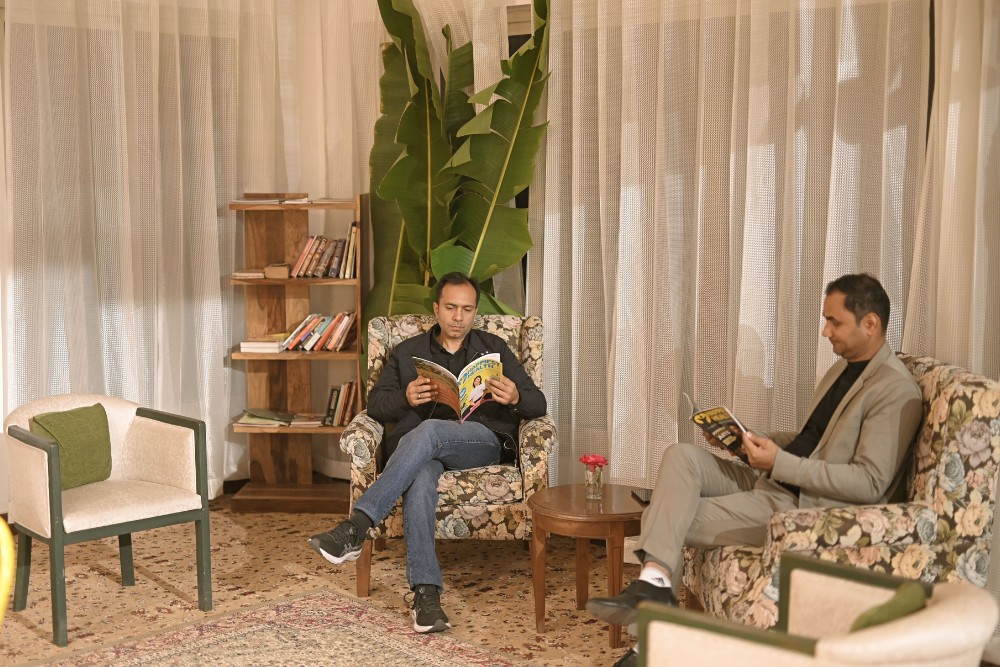
The VVAC model is built on the triad of medicine, mindfulness, and comfort. Guests follow a tailored itinerary that includes therapeutic sessions, diet plans, and spiritual engagements. Boutique hospitality standards are maintained in the elegantly furnished rooms, concierge-style support, and curated dining under the guidance of nutritionists. “What makes this integration seamless is our clinical transparency and ethical approach to wellness; there’s no over-commercialisation or one-size-fits-all treatment. Guests find a professional, regulated environment that still offers warmth, serenity, and culturally rooted healing rare in both healthcare and resort settings,” informs Garg, adding, “Maintaining authenticity is non-negotiable at VVAC. We are not attempting to commodify Ayurveda; we are trying to protect it from dilution. Ayurveda isn’t just about herbs and treatments; it’s a holistic science that thrives in balance—with the land, the air, and the light. We found that balance in the foothills of the Shivaliks. Our medicines are prepared fresh, in-house, at the Kashayapura, following traditional formulations prescribed in the Charaka and Sushruta Samhitas. Raw herbs are sourced from verified farms and undergo strict quality checks. All therapists are trained by Vaidyaratnam experts and operate under the direct supervision of certified Ayurvedic doctors. We also conduct regular audits, therapeutic reviews, and have a multi-tier feedback loop involving patients, clinicians, and treatment staff. This ensures consistency, precision, and adherence to classical Ayurvedic science, without dilution or deviation.”
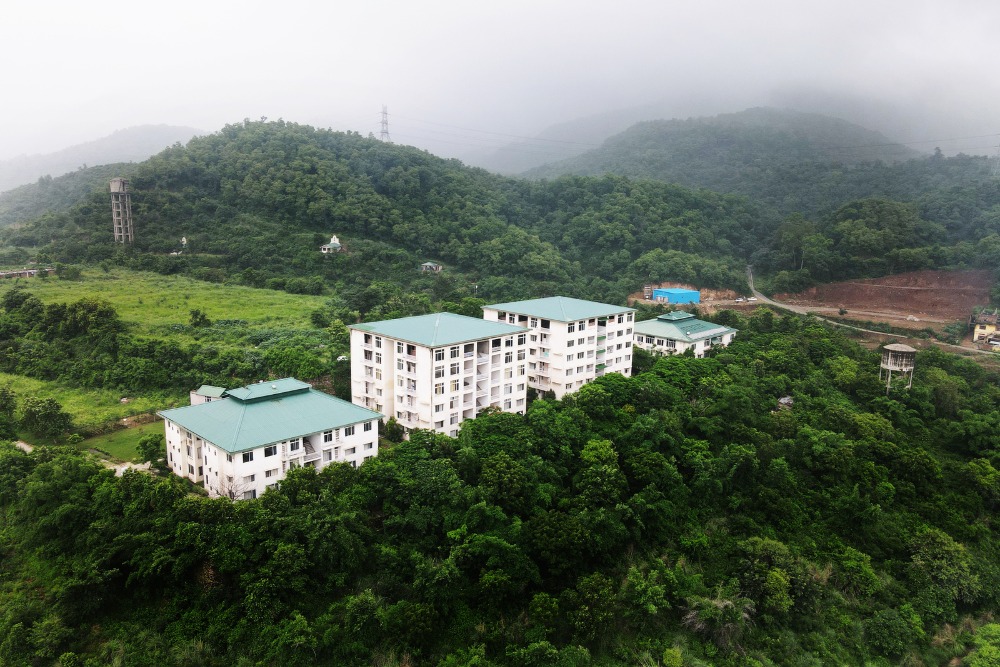
The property avoids unnecessary concrete expansion, preserving the natural contours of the forested hillside. The design blends Kerala’s nalukettu style with Himachal’s traditional timber architecture to create calm, breathable spaces. The focus is on deep verandahs, open courtyards, and passive cooling to support a natural rhythm. The cow sanctuary (Govind Ji Gaushala) also embodies ecological ethics, promoting biodiversity and traditional agricultural practices. In every way, the retreat is committed to minimising ecological impact while maximising natural healing potential. On Dhanteras every year, while acquisition of wealth is one aspect of the festival that celebrates Bhagwan Dhanvantari Jayanti as it directly is related to respecting the idea of prosperity in one’s life, in the bigger scheme of things, one needs to understand that health is the biggest wealth of life. “This incarnation of Vishnu provided ancient medical knowledge to celestial beings to save the universe. He is also credited with compiling the foundational texts of Ayurvedic knowledge, including the Charaka Samhita and the Sushruta Samhita. Hence, when you walk into the lush premises of VVAC, you will first be taken to seek blessings from Bhagwan Dhanvantari, whose swaroop is seated in a beautiful mandir facing the hospital. The healing initiates right here, as one imbibes that Ayurveda’s true essence is not divorced from the power of spiritual awakening. It is with this reclamation of our ancient heritage and recognition of the actual roots of this traditional system of medicine that emphasizes on a holistic approach to health and wellness that one embarks on their journey of healing, spiritual awakening and lifestyle alterations,” signs off Garg.
What to check before selecting a Naturopathy wellness retreat or Ayurvedic Hospital
Travellers should verify that the facility and its staff meet recognised standards. Doctors should hold a BAMS (Bachelor of Ayurvedic Medicine & Surgery) or higher (e.g. MD in Ayurveda). Under Indian law, only BAMS (for Ayurveda) degree-holders may be licensed to practice this system. Massage therapists, physiotherapists, and Panchakarma attendants should hold relevant diplomas. Pharmacists dispensing Ayurvedic medicines should have a B.Pharm (Ayurveda) and a license from the Drug Controller. Any practitioner of naturopathy should be registered with the NRB (an AYUSH authority). A retreat’s yoga teachers should ideally hold Yoga Certification Board (YCB)- recognised certifications (e.g., “Yoga Teacher” or “Yoga Therapist” certificates).
Key services and treatments offered at VVAC
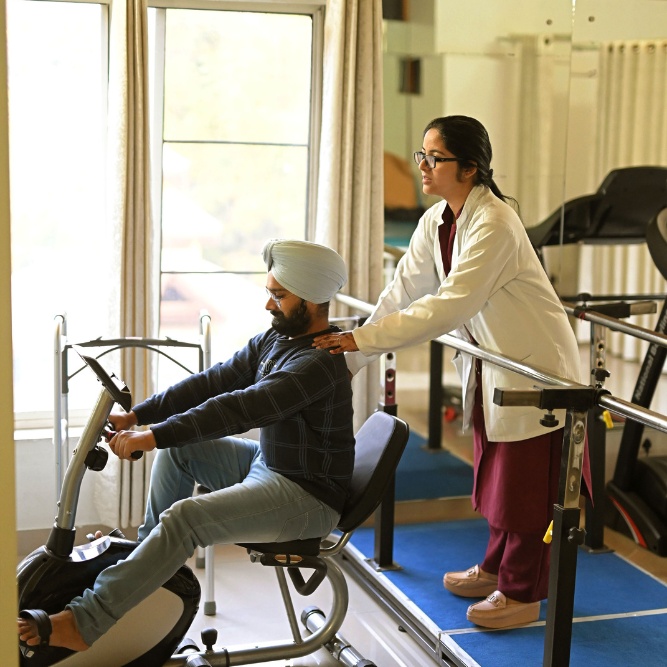
Curative, preventive, and rejuvenative therapies. Guests receive authentic Panchakarma detoxification treatments, with options such as Virechana, Vasti, and Nasya, designed based on clinical consultations. In addition to these, there is physiotherapy, pain management, and neurological rehabilitation, delivered in collaboration with leading specialists. Mental wellness is addressed through guided meditation, Pranayama, and individual counselling. Nutritional therapy, spiritual rituals, and lifestyle coaching complete the care cycle. These services are designed not in isolation but as part of a synergistic protocol that aligns mind, body, and soul under Ayurvedic guidance.