Planet Abled: Mainstreaming Inclusivity & Accessibility in Sustainable Tourism Interview with Neha
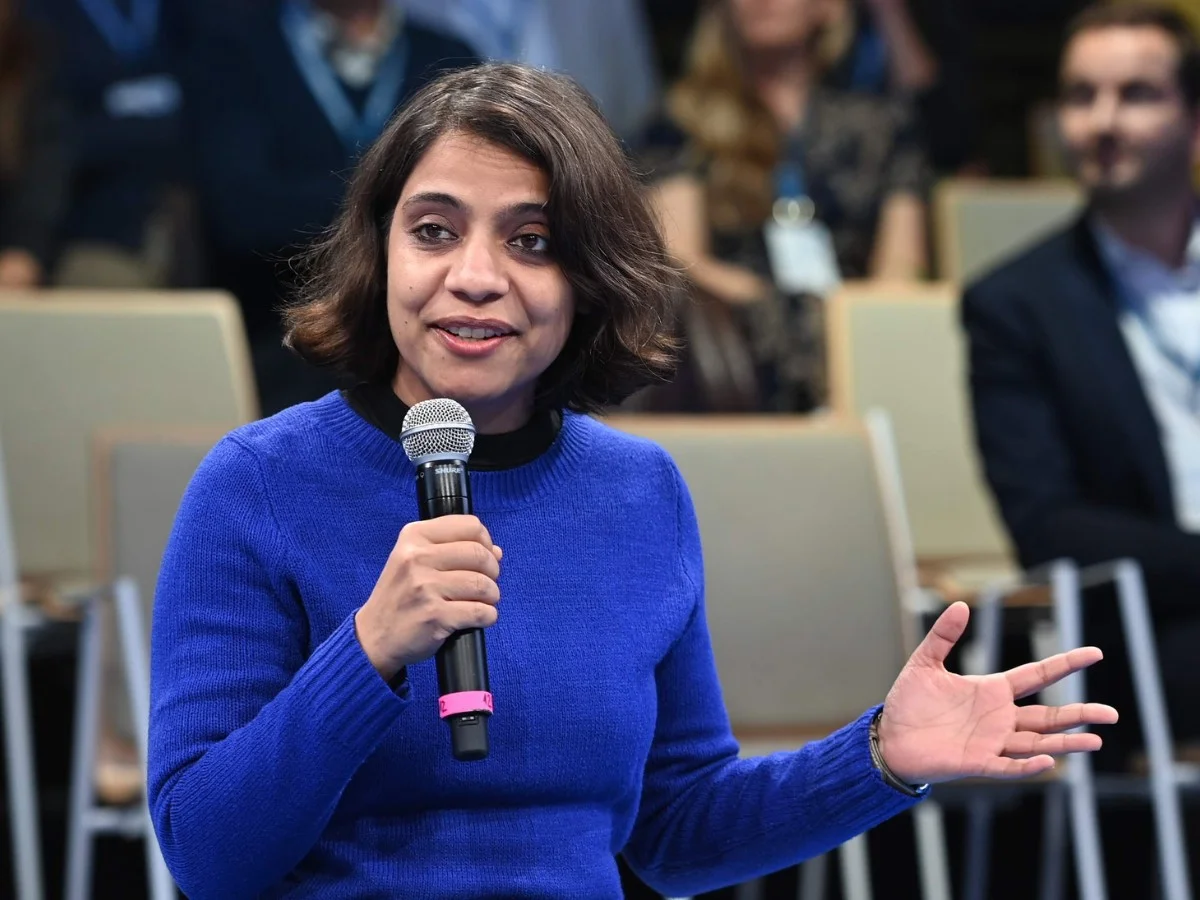
When we talk about sustainable tourism, the words most often heard are eco-friendly, green energy, cultural conservation and carbon-neutral travels. Yet one dimension of sustainability often slips through the cracks; inclusivity. For Neha Arora, Founder of Planet Abled, the conversation is incomplete unless accessibility is placed at the heart of it. Her work challenges an industry that has historically ignored travellers with disabilities, exposing both a moral and a business failure. This interview details into the impact of Planet Abled in not only bridging the gap for people with disability and travel industry, but also educates society on travel is for all, and people with disability need not be locked indoors, but they have the right and interest in exploring places too.

Empowering Farmers and Women
Neha’s journey to founding Planet Abled is rooted in her own family story. “My parents never travelled,” she recalls. “My mother is a wheelchair user, my father is blind. With age, he also developed hearing impairment and Parkinson’s. And I myself am a late-diagnosed neurodivergent person. Unlike other families growing up, there were no holidays, no trips.”
As soon as she graduated as an engineer and began working, Neha wanted to change that. “My dream was to take them on a family trip. I saved money, but quickly realized money wasn’t the barrier, accessibility was. Most destinations were inaccessible, staff were insensitive, unaware and there was constant stigma. Disabled people were seen either as burdens or as charity cases not as travellers with the right to leisure.”
One incident, however, made the reality inescapable. At a temple, an argument over access escalated into a mob shouting at her family. “That was the last straw. My parents told me, ‘You go where you want. We are not going anywhere.’ That’s when I started searching for solutions, but none existed in India and the few abroad were exclusive to one disability. To me, that was still discrimination.”
Neha spent about two years researching before taking the plunge. She camped at airports in Mumbai and Bangalore, counting disabled passengers because there was no reliable data. She interviewed families, communities, and tourism stakeholders. Then one day at her corporate desk in Adobe, she knew she was ready. “I resigned and started Planet Abled.”

Why Sustainability Cannot Exclude Inclusion
Neha challenges the narrow lens through which sustainable tourism is defined. “Ask anyone, and they’ll say sustainability is about environment, about plastic-free hotels, energy conservation, protecting heritage sites. But sustainability has three pillars, environment, social, and governance. Inclusion sits firmly under the social and governance pillars, without accessibility, the sustainability conversation is hollow.”
She points out that seven of the UN Sustainable Development Goals (SDGs) directly connect to accessibility. “Yet most tourism discussions don’t even acknowledge it. You cannot say you are meeting SDGs while ignoring disability, a critical indicator.”
Travel and Tourism Industry’s Blind Spots
According to Neha, the tourism industry both in India and globally has failed to recognize disabled people as potential tourists. “They are not seen as customers. That’s a huge missed opportunity. The assumption is they don’t travel, or don’t have money, but that’s not true at all.”
Stigma in society adds another layer of invisibility in India. “Even wealthy, educated families often hide relatives with disabilities, keeping them indoors in one room. I once got a request for a wheelchair-accessible vehicle because a family member was leaving their house for the first time in six years, simply because they were moving.”
The invisibility is compounded by poor data. India’s last census (2011) recorded only 2.2% of the population as disabled. “WHO puts the global average at 15%. India has the world’s largest blind and deaf population. If you’re not counted, you don’t exist in planning. How will policies or infrastructure ever include you?”
Globally, the numbers tell a different story. “In the U.S., just wheelchair users alone spent $58 billion on travel in 2019. That’s a single segment of the market. Imagine the overall potential it holds”. Neha highlights how people with disabilities are easily ignored both by society and by government in India, a gap in knowledge and provision both.


Accessibility Beyond Ramps
Too often, accessibility is treated as a matter of physical infrastructure alone, ramps, elevators, or toilets. But Neha stresses the issue runs much deeper. “The real barrier is attitudinal. Staff are not trained, people are not sensitized, and stereotypes run deep. In hotels, even if the infrastructure exists, the staff doesn’t know how to assist people with disabilities because they were never trained for it. Many don’t even talk to the disabled person directly, they talk to the family member instead.”
Even compliance is minimal. “In India, five-star hotels need accessible rooms to qualify for their rating. So, they’ll build one token ‘accessible room,’ usually tucked away near the gym. Often it’s unusable, and does not meet standards, I’ve had to ask hotels to remove glass partitions in showers after guests checked in. Budget hotels don’t even try.”
The problem is made worse because disability is not always visible. “Over 80% of disabilities are invisible. You cannot look at someone and know they are deaf, autistic, or diabetic. Globally, even cancer and diabetes are categorized as disabilities. India has the world’s largest number of diabetics yet we don’t consider it in accessibility planning. And if you don’t ‘look disabled,’ people erase your needs.”
The Cost of Exclusion
Ironically, the lack of accessibility makes travel costlier for disabled people. “A trip in India often ends up more expensive than in Europe,” Neha explains. “Because infrastructure isn’t accessible, you have to add workforce, training, and detail management. We have to train hotel staff, guides, drivers, and everyone in the value chain. That time and expertise add to the cost.”
This, she says, is where the industry misses the business case. “They see accessibility as cost, not investment. They don’t see that making experiences inclusive will increase customer base, loyalty, and word-of-mouth and bring in more business.”

Planet Abled’s Inclusive Model
Planet Abled disrupts the very idea of segregated travel. “We are the only company in the world where people with different disabilities, along with non-disabled people, travel together. Ten years on, no one else is doing this, it breaks the silos and creates ripple effects.”
Those ripple effects, Neha says, are powerful, “non-disabled people return from our trips wanting to make their workplaces accessible or hire persons with disabilities. We’ve seen friendships happen, partnerships established, even marriages come out of these journeys. Travel is not just leisure, it’s transformative.”
The organization also works directly with the industry to mainstream accessibility. “We consult hotels, museums, operators, and boards to embed inclusion into their systems. That way, in the future, travellers won’t need a specialized company, they’ll simply find accessible options everywhere they go.”
But she admits the mindset challenge is strong. “I get WhatsApp messages from hoteliers showing pictures of their property, asking, ‘Tell me what I need to do to be accessible.’ As if it’s a checklist, inclusion doesn’t work like that it requires intention, empathy, and sustained investment.”
Indian versus International Tourists
When asked about how Indian tourists differ from international travellers, Neha reflects thoughtfully. “Among Indians, most of our clients come from Mumbai and the South, with a few from Gujarat. International tourists, however, tend to be easier to work with—they listen, they follow instructions, they are more aware about accessibility needs. With Indians, it’s a bit harder. Sometimes they don’t disclose their needs in advance, or they have expectations that don’t align with what’s possible. So, we have to do extra handholding.” This, she says, again ties back to societal attitudes. “Abroad, inclusivity is normalized. In India, it’s still stigmatized. That impacts how people approach travel.”

The Legal Framework and Reality Check
India has a strong disability law on paper, the Rights of Persons with Disabilities Act, 2016. “It is at par with the American Disabilities Act,” Neha notes. “But the problem is implementation. Court cases take decades and even parliament is not accessible, with no ramps, no accessible toilets, so you see if lawmakers don’t comply, what example does that set?”
Vision for Inclusive Tourism
Neha’s long-term goal is simple yet transformative, to normalize accessibility in tourism until it is no longer considered “special.” She shares, “travel is not a luxury. It shapes learning, empathy, and wellbeing of individuals and community. I believe excluding people from it is denying them growth. When you make travel inclusive, you don’t just create better experiences, you create ripple effects that change how society sees disability. People stop thinking of it as charity, and start recognizing it as human, you see change in people’s attitude and in their heart.” Her words make it clear, if tourism is to be truly sustainable, it must first be inclusive.