
SEED by MOSAIC – Art of Doing Nothing. A Slow-leisure Himalayan Retreat by Juhi Singh.

Amid the rolling hills of Ranikhet, where pine forests whisper in the wind and the air carries the scent of wildflowers, a new kind of hospitality is taking root. Seed by Mosaic is not just another luxury retreat—it’s a reimagining of what luxury itself means. Founded by Juhi Singh, Seed is born from the belief that the greatest indulgence today is not excess but stillness. In an era where travel often feels like a checklist of experiences, Seed invites its guests to pause, breathe, and embrace “the art of doing nothing.” With minimalist architecture that blends seamlessly into its natural surroundings, rituals that celebrate unhurried living, and a deeply embedded sustainability ethos, Seed represents the growing movement of conscious, slow travel in India. At its core, it is a sanctuary for those who seek authenticity, connection with nature, and the rare luxury of time—time to simply be.

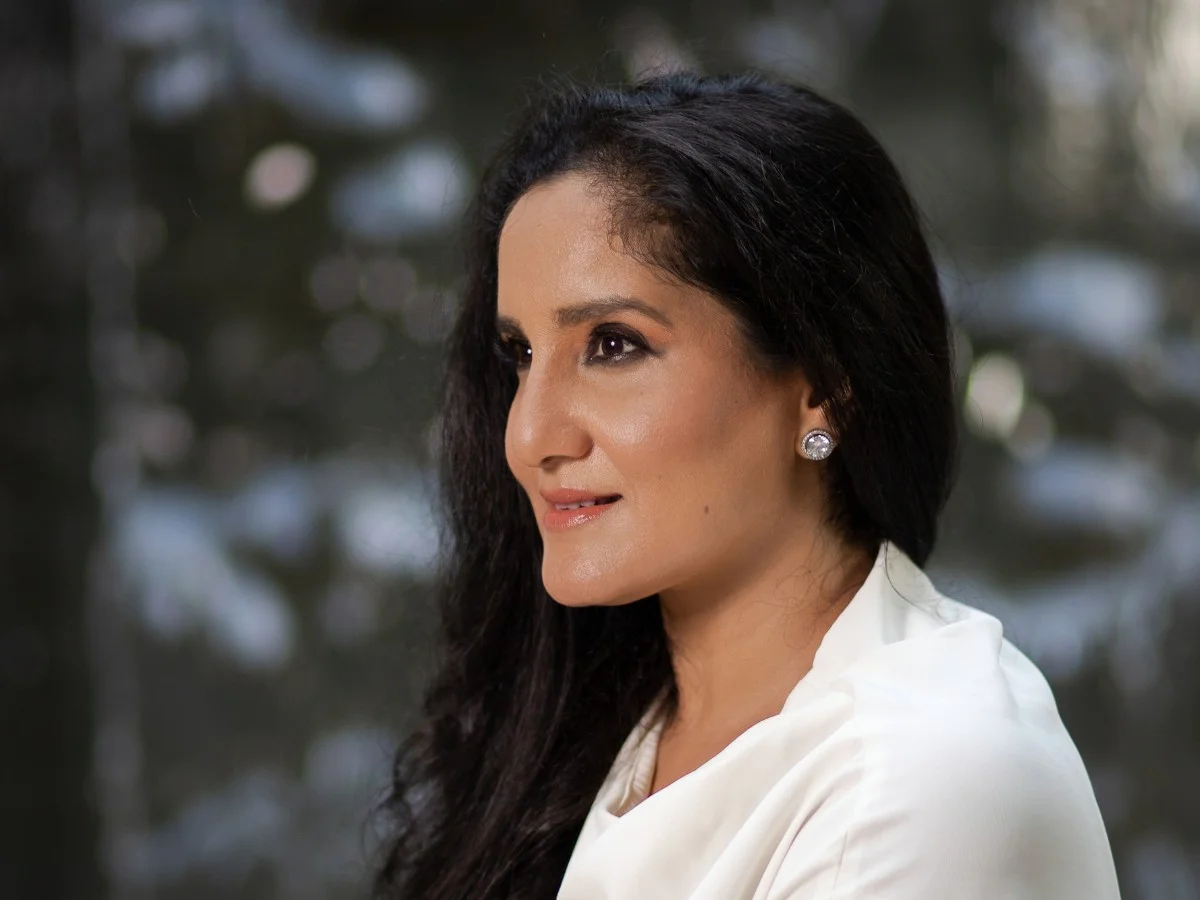
MOSAIC. Juhi can you share with us your inspiration and the story behind Seed hotel by Mosaic?

Juhi Singh: The idea for Seed was born from a simple question, what if true luxury wasn’t about adding more, but about slowing down and experiencing less – more deeply? Within the Mosaic group, we noticed a gap between glossy, high-end resorts and smaller eco-lodges. Guests were either getting over-indulgence or very basic experiences. We wanted to create something different—retreats that were deeply soulful, intimate, and conscious. Seed by Mosaic is that answer, it is built on the philosophy of “the art of doing nothing.” It’s not laziness—it’s permission to pause, to be present, to live slowly. Every element from the architecture to the way we serve tea, reminds our guests that stillness is also luxury.

MOSAIC. How would you describe the business model for Seed?

Juhi Singh: Seed is an owned concept within Mosaic but with its own distinct DNA. We operate through an asset-light model, either leasing and managing properties or entering joint ventures where we bring in the Seed philosophy, design language, and operational expertise. This makes us scalable without diluting the essence. Every Seed retreat remains small, intimate, and nature-connected, but we can adapt it to different geographies—whether it’s the pines of Uttarakhand, the coasts of Goa, or the forests of Bali.

MOSAIC. What does “the art of doing nothing” look like in daily guest experience?

Juhi Singh: It begins the moment you arrive. There’s no rush to check in, no flurry of activity. Instead, there might be a silent welcome, herbal tea waiting, and the sound of the forest greeting you.

Our spaces are designed with minimalism, natural wood, stone, linen, and expansive windows that frame views instead of screens. Guests are invited to linger over misty mornings, sip tea slowly, nap in hammocks between pines, or join a guided silent walk at dawn.

It’s about removing pressure. You don’t have to “do” anything here. Just be.

MOSAIC. Sustainability is at the heart of Seed. How do you translate green hospitality into practice?

Juhi Singh: For us, sustainability is invisible yet integral. It’s not about showing a checklist but embedding it into daily living, our retreats run on solar power, use rainwater harvesting, practice composting, and operate zero-waste kitchens. Food is seasonal and locally sourced, with menus co-created with farmers. Furniture and textiles are locally crafted. Guests can join in tree-planting rituals, foraging walks, or silent hikes. This way, sustainability becomes an experience, not just an operational practice.

MOSAIC. Who do you see as your core audience?

Juhi Singh: Seed appeals to urban weekenders who want calm and renewal, eco-conscious travellers who seek sustainability with comfort, families who want meaningful bonding, and creatives who thrive in stillness. Globally, we align with slow-luxury travellers, those who’ve perhaps experienced brands like Aman or Six Senses but now seek something more soulful, more grounded, and accessible. In short, our positioning is, luxury for those who crave stillness.

MOSAIC. What has your approach to marketing and storytelling been?

Juhi Singh: Our approach is storytelling, not selling. On Instagram, we share visual poetry of slow living. We collaborate with niche travel magazines, wellness influencers, and Mosaic’s own guest community. Our narratives revolve around “The Art of Doing Nothing”, “Luxury of Stillness”, and “Leave with a Lighter Footprint.” We’re also creating short films on our signature rituals such as tea ceremonies, stargazing, hammocks. These stories allow people to feel the Seed ethos before they arrive.

MOSAIC. How do you ensure service style aligns with your philosophy of slowness? Any special training given to your team?

Juhi Singh: The heart of Seed is its people. We recruit not just for skills but for temperament. Our team is trained to practice presence, listening deeply, serving gently, never rushing. They go through meditation sessions, nature immersions, and storytelling workshops. The idea is to embody our values, so that service feels natural, unhurried, and deeply caring. Guests should feel looked after without ever feeling intruded upon.

MOSAIC. Looking ahead, what trends do you see shaping sustainable travel in the next 3–5 years?

Juhi Singh: I see five key shifts:

  1. Guests will demand proof, not promises—authentic certifications and traceable practices.
  1. Digital detox will move from niche to mainstream.
  2. Smaller, intimate retreats will be favoured over mega resorts.
  1. Inter-generational travel will rise, as families seek bonding experiences.
  1. Conscious travellers will pay more for brands that align with slowness, sustainability, and authenticity.

MOSAIC. What role do local communities and artisans play in Seed?

Juhi Singh: Local integration is non-negotiable. Our food comes from nearby farmers, our rooms are furnished with local crafts, our workshops are led by villagers—be it honey gathering, weaving, or folk music. Employment prioritizes locals, and Mosaic invests in skill development. This ensures we’re not just building retreats but strengthening the ecosystem we inhabit.

MOSAIC. Do you have any plans of expansion, please share the roadmap for Seed?

Juhi Singh: We’re scaling carefully.

  • Phase 1: Uttarakhand pilots in Ranikhet, Corbett, and Nainital.
  • Phase 2: Other Indian destinations like Mussoorie, Himachal, Goa, and Kerala.
  • Phase 3: International expansion into Southeast Asia—Sri Lanka, Bali—and Europe’s Alps.

The key is staying small in scale, strong in philosophy, and consistent in design DNA.

MOSAIC. How do you encourage guests to carry the Seed ethos beyond their stay?

Juhi Singh: We ask for small commitments. Before arrival, guests can choose to go digitaly-light. During their stay, they join rituals of rest, forest walks, tea ceremonies, barefoot trails. After departure, they’re encouraged to carry that stillness into daily life like planting trees, practicing pauses, journaling. Seed becomes more than a holiday; it becomes a way of living.

At its heart, Seed is not just a hotel. It’s a philosophy, a movement, and a community. We want every guest to leave lighter, calmer, and more connected, to themselves, to others, and to the Earth. That, to me, is the ultimate luxury.

Leave a Reply

Your email address will not be published. Required fields are marked *